 Rubika

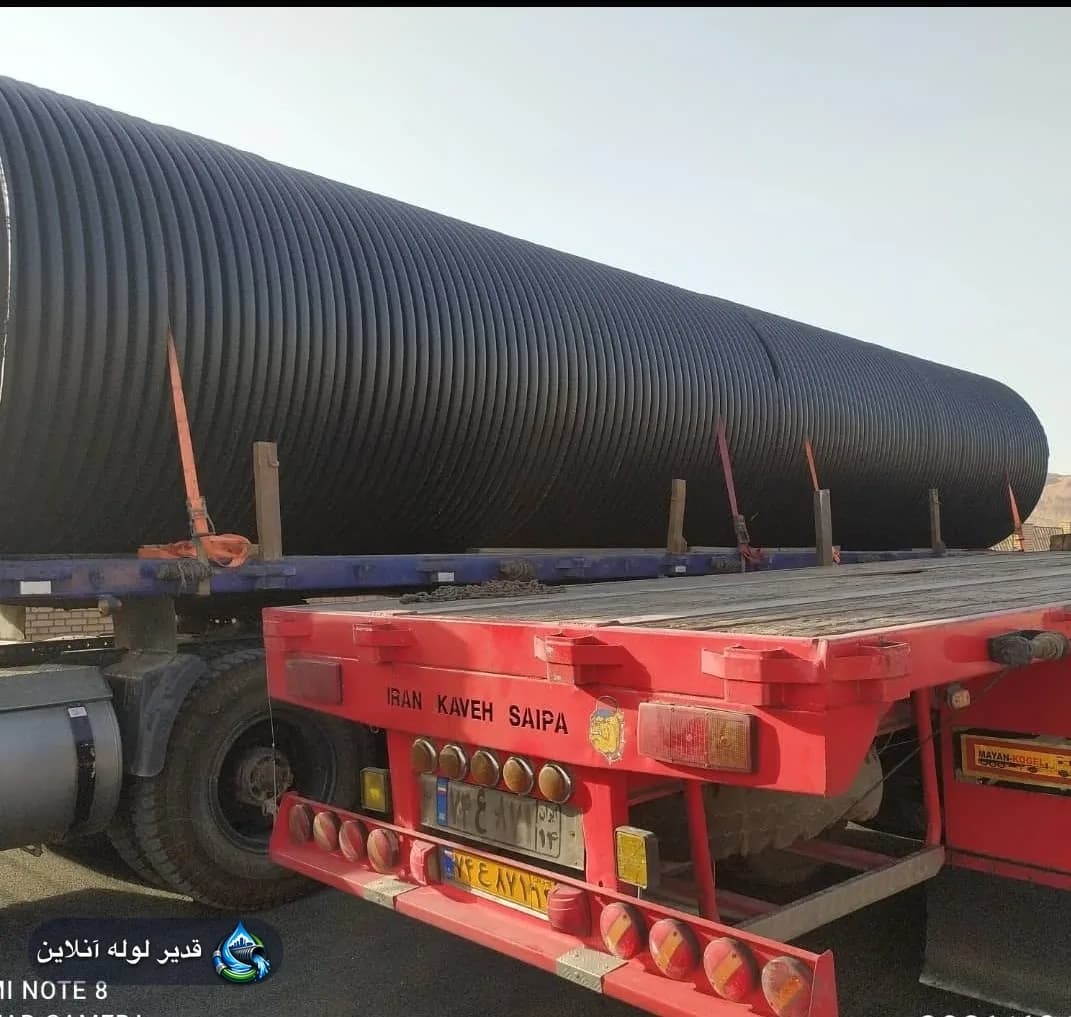
Wherever a road, railway or embankment cuts across a watercourse, stream or channel, the water needs a way to pass underneath it; this structure is called a culvert. For years, culverts were built from concrete pipe, concrete box sections or corrugated metal pipe. Today, polyethylene culverts made from double-wall corrugated pipe and spiral pipe have replaced them in many road-building and urban projects. In this article we explain where a polyethylene culvert is suitable and what to look out for in its design and installation.
What is a polyethylene culvert?
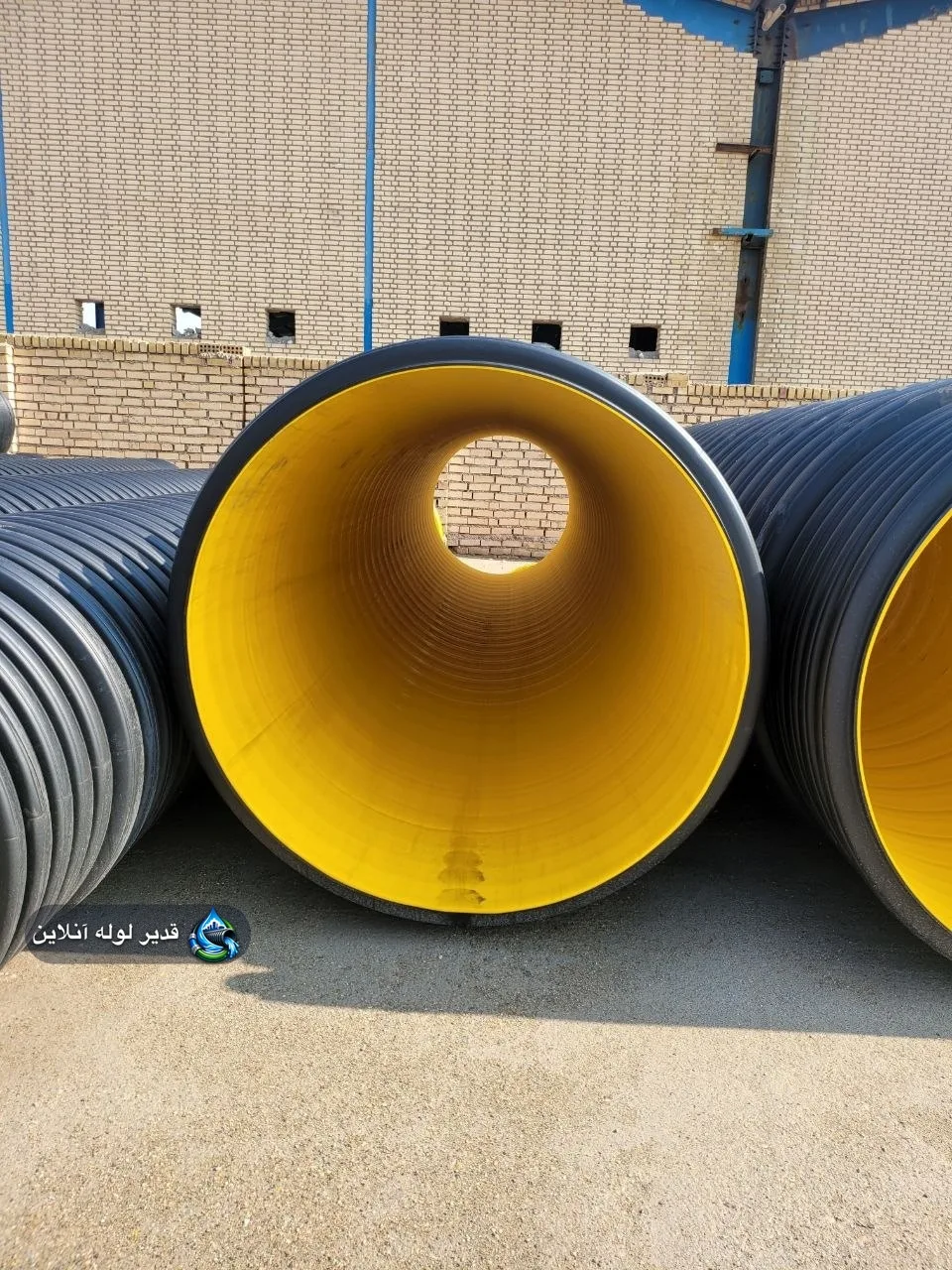
A polyethylene culvert is a short structured-wall pipeline laid under a road body or embankment that carries surface water, floodwater or a stream's flow from one side to the other. The ribbed outer wall of the pipe, together with the compacted soil around it, carries the soil and traffic loads, while the smooth inner wall lets water and sediment pass through freely.
Why a polyethylene culvert?
- Corrosion resistance: polyethylene does not rust and resists corrosive water, road de-icing salts and saline soils — problems that metal and concrete culverts face over time.
- Light weight and fast installation: handling and placing can be done with lighter machinery, and road closures or traffic diversions are shorter.
- Smooth inner wall: smoother flow and less sedimentation than a rough wall; for the same diameter, the flow capacity is higher.
- Flexibility: it tolerates limited soil settlement without cracking.
We have covered the full comparison of polyethylene and concrete in the article Corrugated pipe or concrete pipe.
Corrugated or spiral pipe for a culvert?
| Required diameter | Recommended pipe | Jointing method |
|---|---|---|
| Up to 1200 mm | Double-wall corrugated pipe (except 900) | Coupler and EPDM seal |
| 900 and 1400 to 2000 mm | Spiral pipe | On-site extrusion welding |
For short culverts under minor roads and entrances, one or two lengths of corrugated pipe are usually enough. For larger watercourses, either a single large-diameter spiral line or several parallel pipelines are used; the choice between them depends on the embankment height and the width of the watercourse.
Designing a polyethylene culvert: three key questions
1. What diameter is needed?
The culvert diameter comes from hydraulic calculations: the design flood flow, the slope of the watercourse bed, the culvert length and how high the water is allowed to rise at the inlet. An undersized culvert holds water back behind the road, and in a flood it may overtop the road or wash out its body.
2. Which stiffness class?
A culvert under a road must carry both the embankment load above it and vehicle wheel loads; that is why class SN8 is chosen for most culverts under busy roads. The class and the minimum soil cover over the pipe are set by the design consultant based on the traffic load and soil type. The classes are explained in the article The difference between SN4 and SN8.
3. How should the inlet and outlet be built?
Most culvert failures start at the two ends, not in the pipe body. Water overflowing at the inlet and its high velocity at the outlet wash away the soil around the pipe (scour), leaving the pipe unsupported.
Installation tips for polyethylene culverts
- Bedding and backfill around the pipe: as with any flexible pipe, the quality of the bedding and the layer-by-layer compaction of soil on both sides of the pipe are decisive; details are in the corrugated pipe installation guide.
- Headwalls and protection at both ends: build a headwall or wingwalls at the inlet and outlet, and protect the bed and surrounding slopes against scour with riprap or a suitable lining.
- Preventing seepage along the pipe: if water finds a path along the outside of the pipe and into the embankment, it gradually washes the material away; compacted backfill and sealing both ends of the pipe close off this path.
- Flotation: polyethylene pipe is light. Keep the trench dry during installation and complete the backfill over the pipe before water arrives; in areas with a high water table, review pipe anchoring with the design consultant.
- Machinery loads during construction: trucks and heavy rollers should only cross once the soil over the pipe has reached the minimum design cover.
- Pipe ends exposed to sunlight: the carbon black in standard pipe protects it against ultraviolet radiation; even so, a headwall protects both pipe ends from sunlight and mechanical damage.
Culvert maintenance
Inspect culverts after every heavy rainfall and at least once a year: inlet blockage by branches, leaves and sediment, scour at both ends, and settlement of the road surface over the pipe. The smooth inner wall of polyethylene pipe reduces sediment build-up, but a blocked inlet puts any culvert out of action.
Buying pipe for culverts
Ghadir Louleh Pasargad double-wall corrugated pipe in sizes from 110 to 1200 mm and spiral pipe in diameters from 900 to 2000 mm are both supplied to the factory standard and delivered anywhere in Iran. For large-diameter culverts, see the Spiral pipe 1400 page as an example, and for a project estimate, enter the watercourse and road details in the project inquiry form.