 Rubika

What Are Corrugated Pipe Fittings?
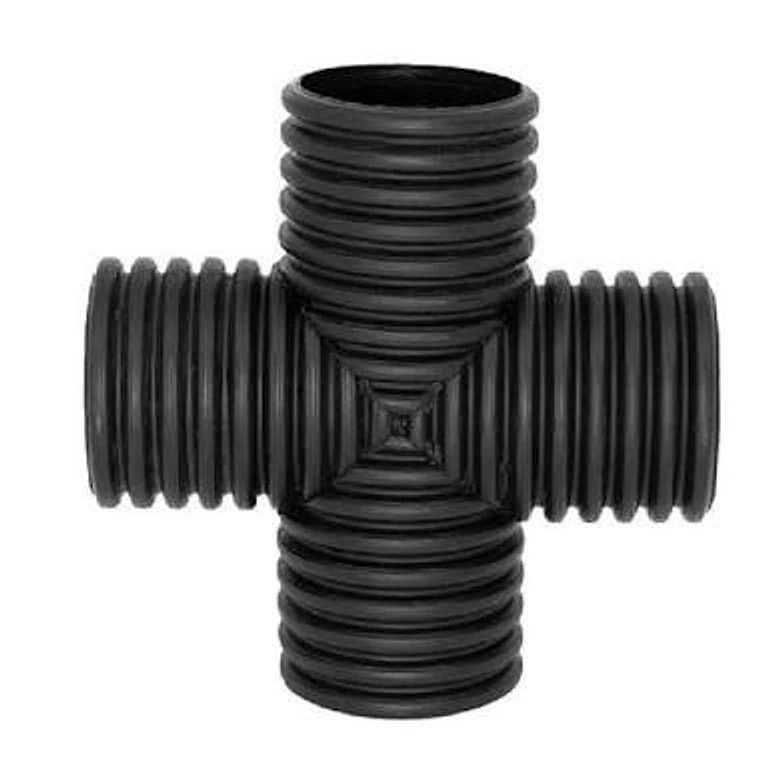
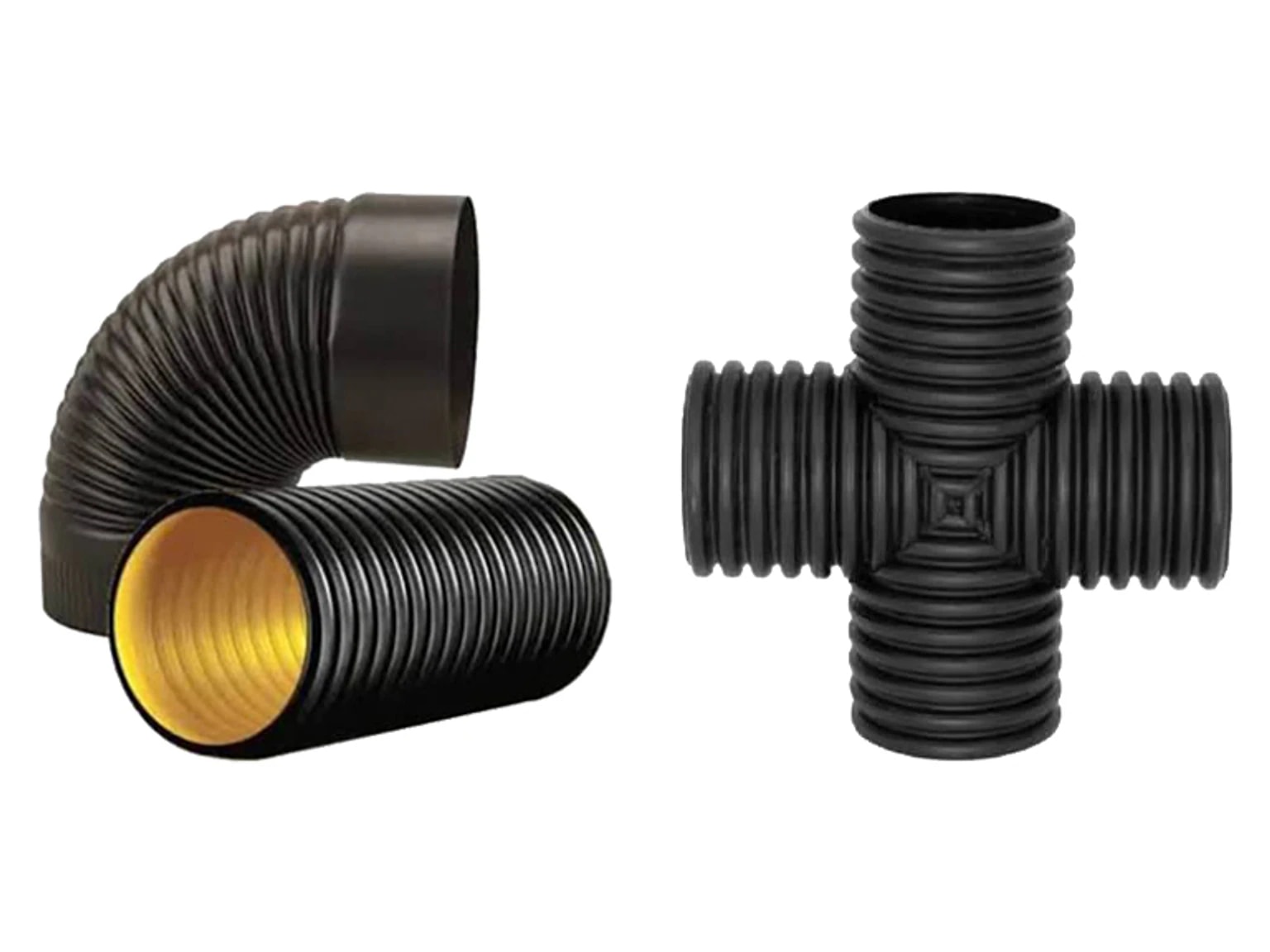
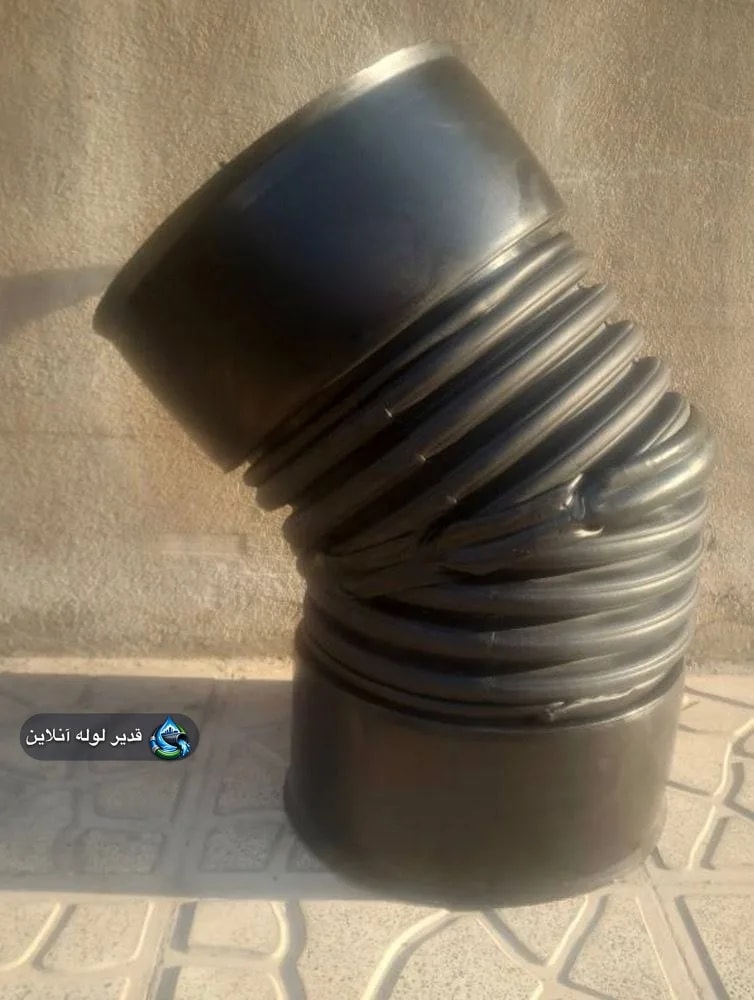
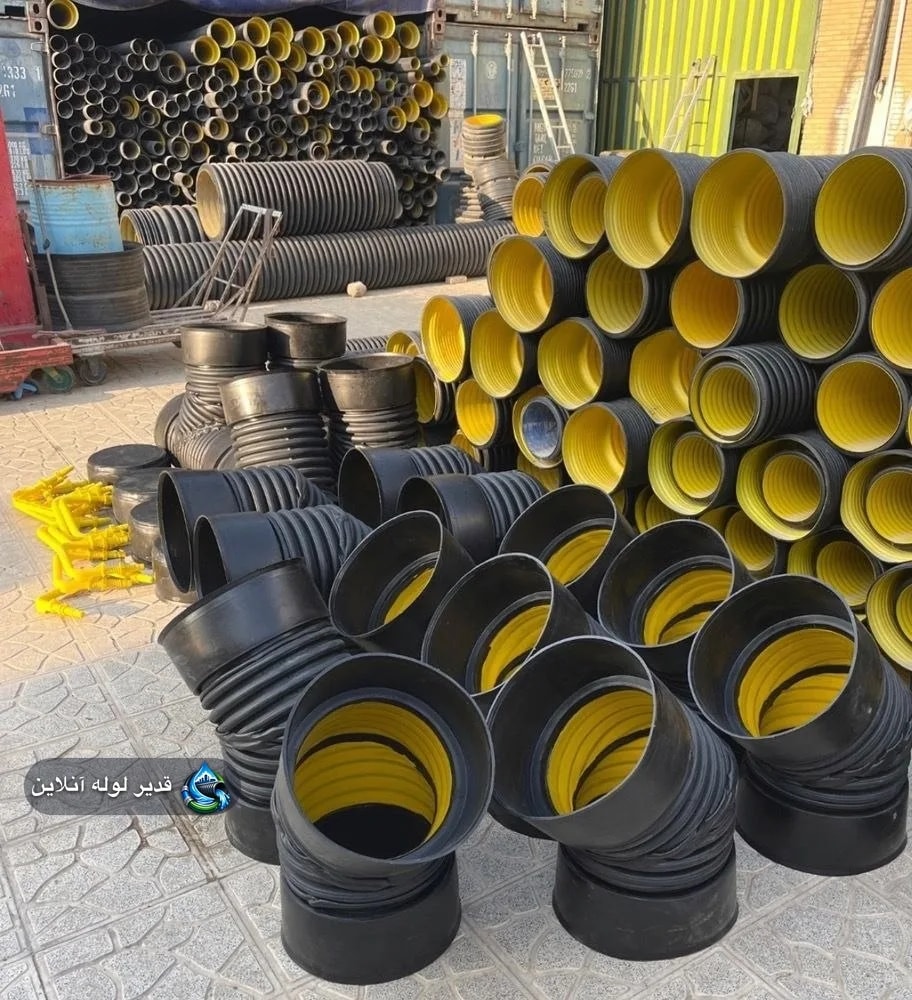
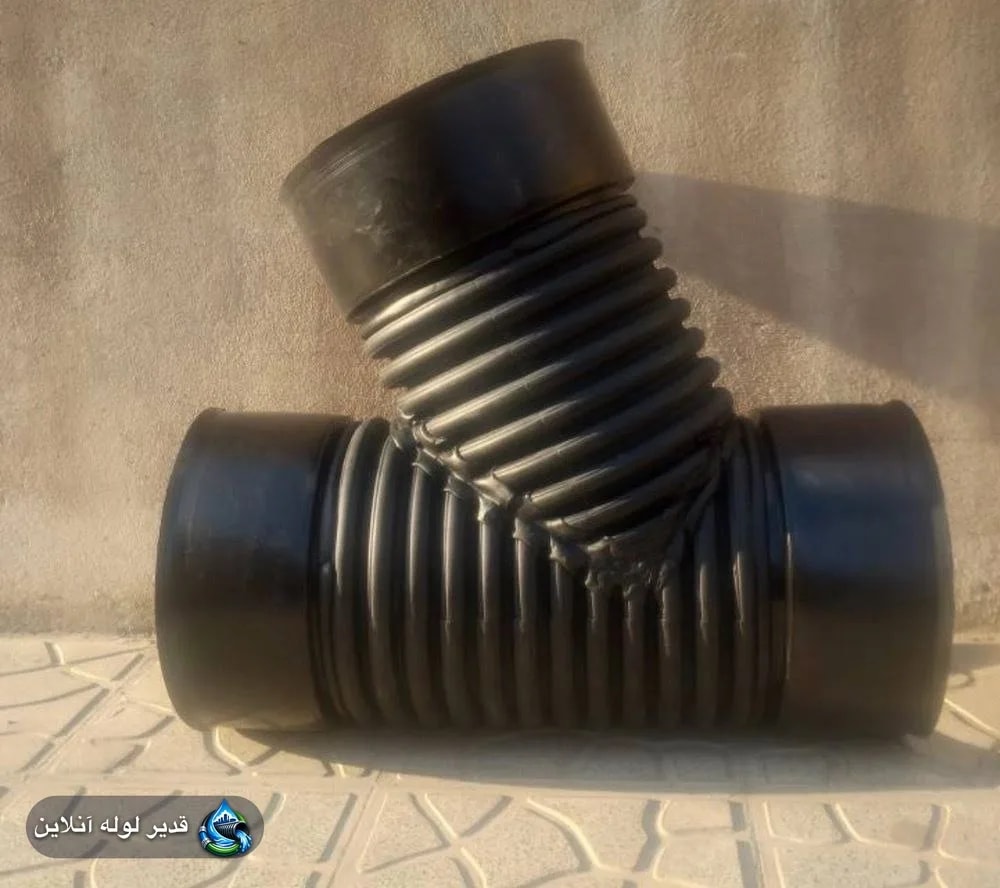
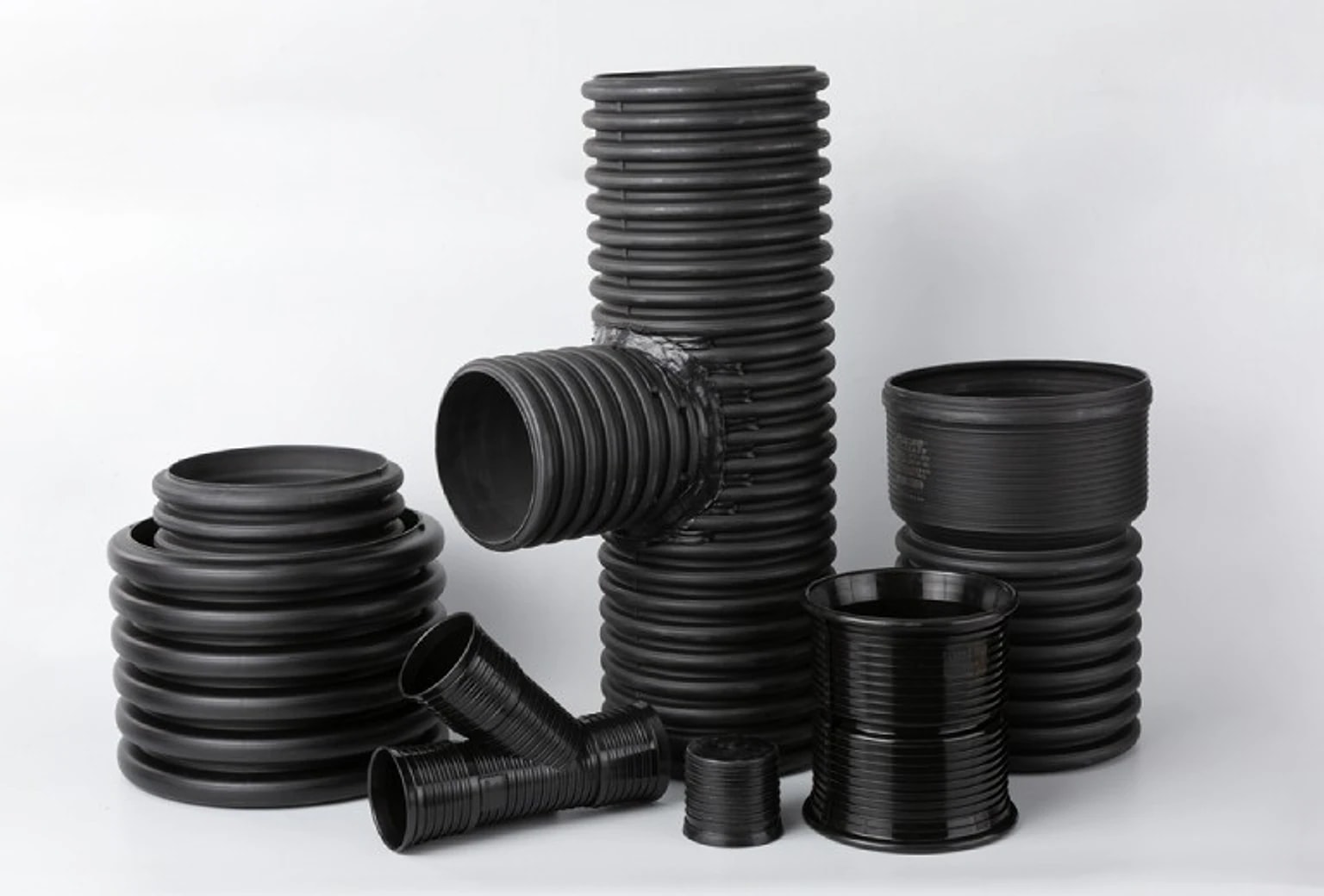
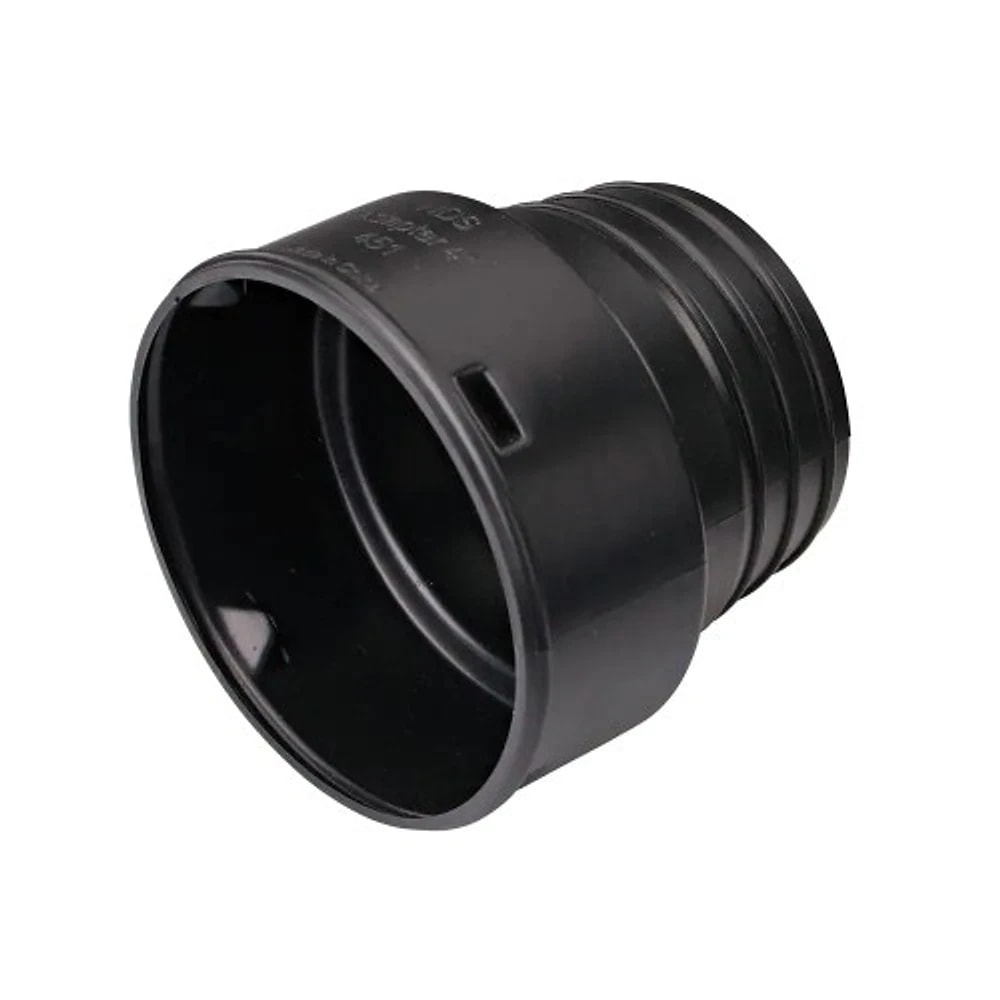
Corrugated pipe fittings are components that join pipe lengths together, change the direction of the route, take off branches, connect two different sizes or close off the end of a line. Ghadir Louleh Pasargad corrugated pipe fittings are produced in the same sizes as this factory's double-wall corrugated pipes and, like the pipe itself, are sealed with an EPDM rubber gasket; this means no adhesive or welding machine is needed to install them.
Types of Corrugated Pipe Fittings and Available Sizes
| Fitting type | Application | Sizes (mm) |
|---|---|---|
| Coupler | Joining two pipe lengths of the same size along the route | 110 to 600 |
| EPDM gasket | Sealing the joint; sits in the corrugation valley at the pipe end | 110 to 1000 |
| 45° elbow | Gentle change of route direction | 110 to 600 |
| 90° elbow | Right-angle change of route direction | 110 to 600 |
| 90° elbow with single coupler end | Right-angle change of direction on large-diameter main lines | 700 and 800 |
| 45° tee | Connecting a branch to the main line in the direction of flow | 110 to 600 |
| 90° tee | Branch perpendicular to the main line | 110 to 800 |
| Cross | Connecting two opposing branches to the main line | 160 to 315 |
| Reducer | Connecting a secondary network to a larger main line | 400×250, 400×315, 500×400, 600×400 |
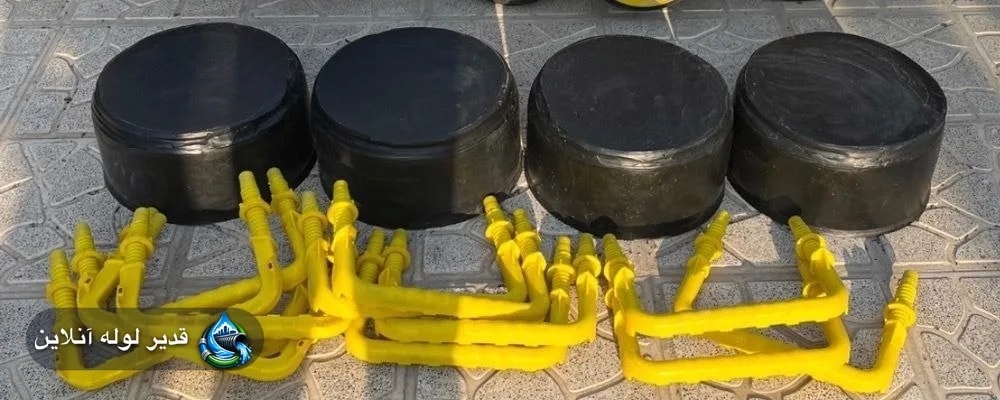
| End cap | Closing off the end of a line for future extension or during construction | 160 to 600 |
The exact list of sizes for each fitting and today's price for each size are given on that fitting's page.
How Do the Coupler Joint and EPDM Gasket Work?
The EPDM gasket sits in the corrugation valley at the pipe end, and the pipe end is pushed into the coupler or fitting socket. The compression of the gasket between the pipe corrugation and the fitting wall seals the joint, preventing sewage from leaking into the soil and groundwater and roots from entering the network. EPDM is resistant to water, sewage, temperature changes and aging, but it is not resistant to oil and petroleum solvents, so use only lubricant made for rubber joints during installation.
Which Fitting Should You Choose?
- 45° or 90° elbow: In gravity networks, a gentler change of direction means less head loss and less sedimentation; prefer 45° elbows wherever possible.
- 45° or 90° tee: A 45° tee brings the secondary flow in the same direction as the main flow and is usually the better choice for connecting a branch.
- Change of size: Where the line diameter changes, a reducer matching both pipe sizes is required.
- Municipal networks: Changes of direction and main connections in municipal sewer networks are usually made inside a manhole; fittings are mostly used in service connections, on-site networks and stormwater systems.
Always buy fittings and gaskets from the same manufacturer as the pipe; the outer diameter and corrugation geometry of corrugated pipes are not the same across different factories.
Estimating the Number of Fittings for a Project
- Calculate the number of couplers by dividing the length of each route by the pipe length.
- Each coupler usually needs two gaskets (one on each pipe end), and each end of an elbow, tee or reducer also needs one gasket.
- Count the elbows, tees, reducers and end caps from the route drawing.
- Set aside a few extra gaskets to replace any damaged on site.
A full explanation of each fitting is given in the corrugated pipe fittings guide and the installation steps in the corrugated pipe installation guide.
Corrugated Pipe Fittings Prices
Today's price for each size is given in the price table on each fitting's page and in the site's daily price table, updated directly from the factory. To get an estimate for the pipes and fittings of a project, submit the route list in the project inquiry form. See the pipes matching these fittings on the corrugated pipe page.