 Rubika

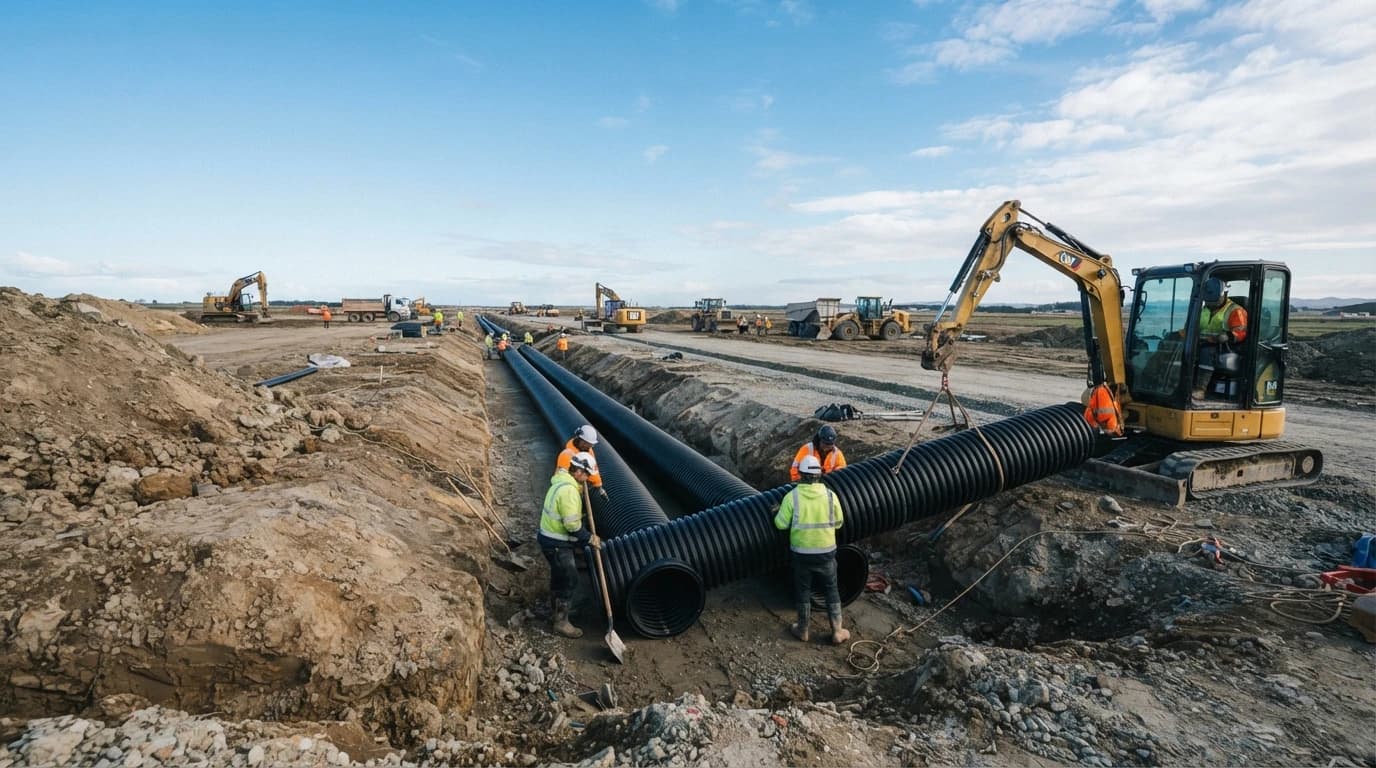
How to choose the right corrugated pipe size
Introduction
Choosing the right corrugated pipe size is one of the vital steps in designing and executing civil engineering projects. An unsuitable size can lead to serious problems, including blockage, leakage and a shorter service life of the pipe. For this reason, a precise understanding of the factors that affect size selection helps engineers and contractors ensure the efficiency and durability of corrugated pipes. In this article, we review the key points in choosing the right corrugated pipe size and introduce methods for measuring and comparing different sizes.
Factors affecting corrugated pipe size selection
Type of project
The choice of corrugated pipe size depends on the type of project in which it is used. For example, in urban projects that involve collecting and conveying rainwater, larger-diameter pipes are usually needed so that they can carry the high volume of water during heavy rainfall. In contrast, in agricultural projects, which usually involve smaller volumes of water, smaller-diameter pipes can be used. Also, in sewer projects, the pipe size must be chosen in a way that prevents problems such as clogging.
Climatic and geological conditions
Climatic and geological conditions are also key factors in choosing the corrugated pipe size. In areas with high rainfall, larger pipes can prevent flooding and help improve water management. For example, in mountainous areas with heavy and sudden rainfall, using large-diameter pipes can help drain excess water quickly.
On the other hand, in areas with loose or variable soils, the pipe size must be chosen so that it has adequate resistance to ground pressures. In these cases, studying the geological conditions helps engineers make sure of the right pipe size and reduce the likelihood of pipe failure or damage.
Volume and type of fluid conveyed
The volume and type of fluid that will flow through the pipe also have a major effect on the choice of pipe size. For example, if the fluid is water, the pipe size must be chosen so that it can deliver the flow rate the project requires. Where high-viscosity fluids such as sewage or chemicals are conveyed, the pipe size must be chosen so as to prevent problems such as blockage or reduced flow.
For instance, in a project involving the conveyance of sewage to a treatment plant, using corrugated pipes of the right size can help improve system performance and reduce maintenance costs. In such conditions, engineers must carefully review the fluid's characteristics and choose the pipe size that delivers the best performance.
Methods for correctly measuring corrugated pipe size
Tools required
To measure corrugated pipe size correctly, the use of precise tools is essential. Some of the tools required include:
- Digital caliper: this tool can accurately measure the inner and outer diameter of the pipe.
- Tape measure: useful for measuring lengths and various distances that affect determining the pipe size.
- Square or spirit level: this tool is essential to make sure the pipes are level during installation.
- Diameter measuring device: this device is especially efficient for large pipes and can quickly determine the exact pipe size.
Measurement steps
To measure the size of a corrugated pipe, follow these steps:
- Prepare the site: first clean the pipe installation area and make sure there are no obstacles in the measurement path.
- Measure the inner diameter: using a digital caliper, measure the inner diameter of the pipe at several different points to make sure it is uniform.
- Measure the outer diameter: the outer diameter of the pipe should also be measured carefully, because this information is important when choosing fittings and accessories.
- Measure the pipe length: using a tape measure, measure the length of the pipe, and remember that the length must match the project requirements.
- Verify the measurements: after taking the measurements, compare the results and make sure all dimensions have been recorded correctly.
Tips and recommendations
- Accuracy in measurement: accuracy in measurement is very important. Even one millimetre can have a great effect on the final performance of the system. So be sure to measure several times and confirm the result.
- Varied measurement points: measure each pipe at several points to make sure it is uniform and free of deviation. This helps you identify potential problems.
- Use standard equipment: use standard, reliable tools and equipment to increase the accuracy of your measurements. Also make sure your equipment is calibrated.
By following these steps and tips, you can accurately determine the right corrugated pipe size and ensure its optimal performance in civil engineering projects.
Different applications of corrugated pipe
Use in water and wastewater projects
Corrugated pipes are widely used in water and wastewater projects. Because of their high resistance to corrosion and pressure, these pipes can be a suitable option for conveying surface water and sewage. Choosing the right size is particularly important in these projects, because if the pipe size is smaller than required, it will increase pressure and eventually cause the pipe to break. For example, in an urban sewage conveyance project, choosing a 300 mm pipe instead of a 250 mm one can prevent problems such as clogging and leakage.
Use in drainage
In drainage systems, corrugated pipes perform well because of their special design and water-carrying capacity. Pipe size also plays an important role in this application. A larger size can carry a greater volume of water and prevent flooding in vulnerable areas. For example, in an agricultural project that requires drainage of farmland, using 400 mm corrugated pipes can help improve soil quality and increase crop yield.
Use in fluid conveyance systems
Corrugated pipes are also used in fluid conveyance systems, including oil and gas. In this field, pipe size can have a direct effect on the speed and volume of fluid conveyed. For example, in an industrial project that requires fast conveyance of crude oil, choosing a 600 mm pipe size instead of 500 mm can help increase productivity and reduce conveyance time.
Ultimately, choosing the right corrugated pipe size in all of these applications not only helps improve system performance but can also reduce maintenance and repair costs. Given the variety of applications and conditions, consulting specialists and reviewing the project requirements can be effective in choosing the best option.
Technical points in choosing corrugated pipe size
Relevant standards
Complying with standards when choosing corrugated pipe size is particularly important. International and national standards specify which sizes are suitable for different applications, and this choice can have a great effect on the quality and durability of piping systems. For example, the EN 13476 standard for polyethylene (PE) pipes specifies precisely that the appropriate size for conveying rainwater must be chosen according to the volume and velocity of the water flow. If these standards are not followed, the pipes may be damaged by pressures resulting from floods or temperature changes.
Practical examples
To better understand the importance of choosing the correct corrugated pipe size, consider a project in which corrugated pipes were used to convey rainwater. In this project, the engineers first calculated the rainfall volume and determined the pipe sizes on that basis. After the pipes were installed, the system performed well during heavy rainfall, and no clogging or leakage was observed. In contrast, if the pipe sizes had been chosen smaller than required, serious problems such as flooding and damage to infrastructure could have occurred. This example shows that choosing the right size can directly affect the success of the project.
Problems caused by choosing the wrong size
Choosing the wrong corrugated pipe size can lead to numerous challenges. One of the most important problems is pipe clogging and reduced water flow, which can lead to additional repair and maintenance costs. Also, an unsuitable pipe size may place excessive pressure on the system and consequently increase the risk of pipe failure. In this regard, it is recommended that all environmental factors and project requirements be reviewed carefully before choosing the size. For more information about corrugated pipe and its applications, you can refer to reliable sources.
Comparison of different corrugated pipe sizes
Advantages and disadvantages of different sizes
Choosing the right corrugated pipe size can have a considerable effect on project performance and costs. Larger-diameter pipes are effective in conveying greater volumes of fluid and are usually suitable for projects requiring high flow rates, such as sewer systems. On the other hand, because of their weight and higher production cost, these pipes may not be suitable for smaller projects. In contrast, smaller pipes are easy to install and cost less, but may not perform well in larger projects. For example, in a rainwater drainage project, using larger pipes can prevent water from accumulating, whereas smaller pipes may run into problems during heavy rainfall.
Effect of size on cost and efficiency
The costs associated with corrugated pipe are directly affected by its size. Larger pipes are more expensive not only in purchase price but also in transport and installation costs. For example, in a large civil engineering project, choosing 300 mm pipes instead of 200 mm pipes can entail additional costs, but in return can significantly increase the efficiency of the system. Therefore, evaluating costs alongside optimizing performance is particularly important.
Review of common sizes on the market
On the market, corrugated pipe is available in sizes from 100 mm to 1200 mm. Common sizes include 200, 300 and 400 mm, each designed for specific applications. 200 mm pipes are usually used for small projects and for conveying fluids at low flow rates, while 400 mm pipes are more suitable for municipal sewage and larger projects. The right size should be chosen according to the specific needs of the project, the environmental conditions and the type of fluid conveyed.
Ultimately, when choosing a corrugated pipe size, paying attention to the advantages and disadvantages of each size, its effect on cost and efficiency, and the common applications on the market can help engineers and contractors make the right decision.
Conclusion
In this article, we reviewed the key points in choosing the right corrugated pipe size. Choosing the correct pipe size not only helps improve the performance of fluid conveyance systems but can also reduce maintenance costs. Therefore, in civil engineering projects, attention to various factors such as the type of fluid, flow rate and pressure is very important.
ghadirlouleonline.com, as a reliable source, provides technical consulting services for choosing the right corrugated pipe size. Drawing on the experience and knowledge of this site's specialists, you can get the guidance you need and choose the pipe sizes required for your projects with greater confidence.
For advice and more information, we invite you to visit ghadirlouleonline.com and get in touch with our specialists.