 Rubika

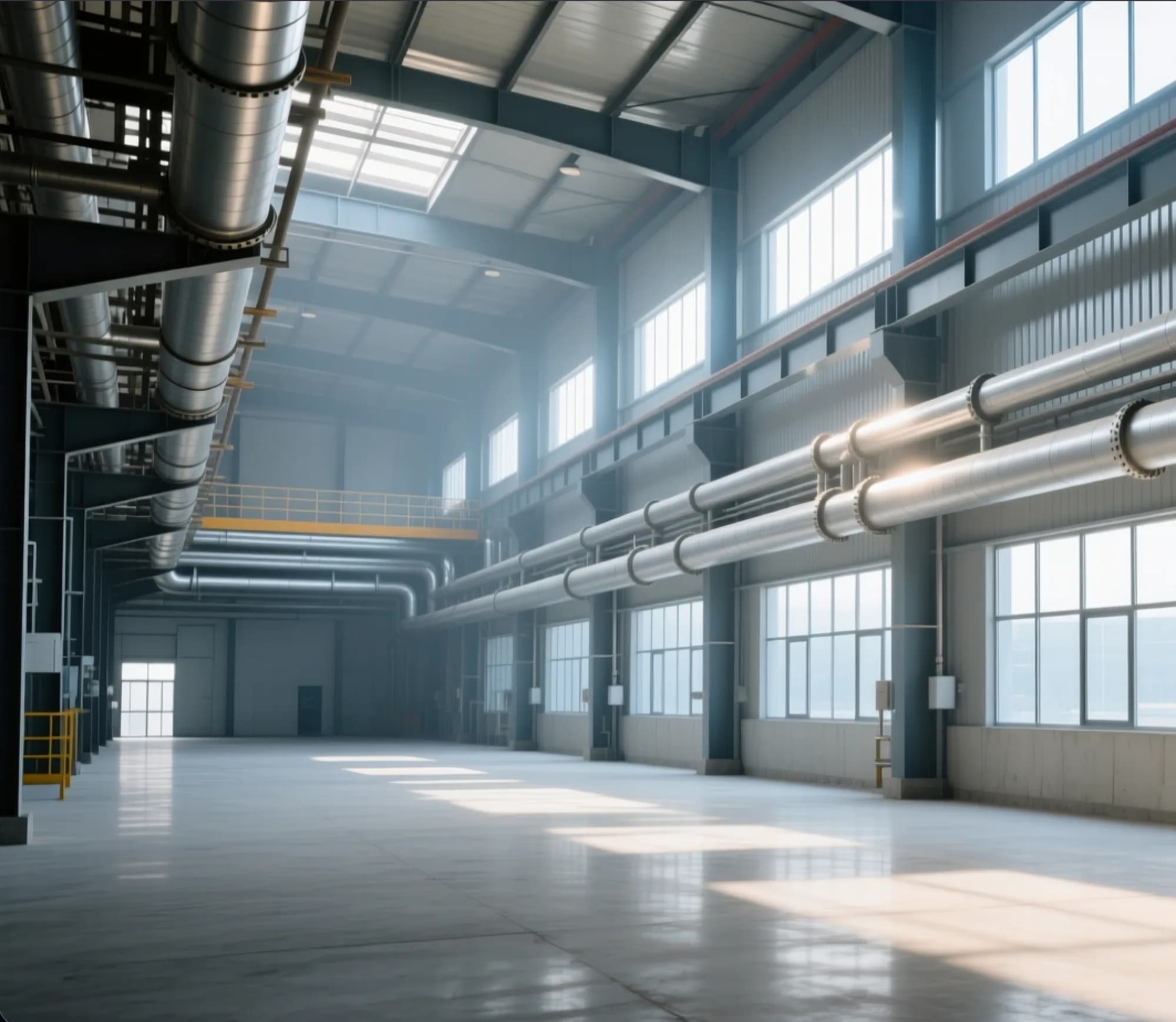
PVC pipes are known as one of the most widely used options in industrial wastewater systems. Thanks to their particular properties, these pipes can perform optimally under various conditions. But choosing the wrong pipe can lead to serious problems in the performance of the sewer system, including leaks, failures and extra costs. In this article, we review the advantages and disadvantages of PVC pipe and analyze the conditions in which it is suitable to use. We will also review the technical points of installing and maintaining PVC pipe to help you make the best decision for your industrial projects.
Advantages and Disadvantages of PVC Pipe in Industrial Wastewater
Advantages of PVC Pipe
Because they are made of PVC, these pipes have very good properties that make them suitable for use in industrial wastewater. One of the most important advantages of these pipes is corrosion resistance. In industrial environments where chemical and corrosive substances may be present, PVC pipes can handle these challenges well. For example, in chemical manufacturing plants, using PVC pipes can prevent the risk of leaks and damage to the system.
Low installation cost is another advantage. Because PVC pipes are light and easy to transport, they do not require heavy equipment for installation, and workers can install them easily. This reduces installation time and costs. In terms of price, PVC pipes are also usually a more economical option than other pipe types such as cast iron or polyethylene pipes.
In addition, the ease of repair and maintenance of PVC pipes makes them an attractive option for contractors. If a pipe is damaged, it can be repaired easily and at low cost.
Disadvantages of PVC Pipe
Despite their many advantages, PVC pipes also have disadvantages that must be taken into account. One of the most important limitations of these pipes is low resistance to very high temperatures. At temperatures above 60 degrees Celsius, PVC pipes may deform, which can lead to serious problems in the sewer system. For example, in heat-generating industries such as power plants, the use of PVC pipes is not recommended.
In addition, limited load capacity is another weakness of PVC pipes. These pipes are usually not designed for high pressures and may be damaged where water or wastewater pressure is high. Therefore, in large projects that need to carry heavy loads, PVC pipes should be chosen with caution.
Finally, the need for regular maintenance is also a weakness of PVC pipes. Although these pipes are repairable, without proper maintenance problems such as leaks or corrosion at the joints may occur.
Considering these advantages and disadvantages, contractors and engineers should carefully evaluate the conditions of their project and use these pipes if the advantages of PVC pipe outweigh its disadvantages. For a more precise choice, you can refer to more information about PVC pipe.
Comparing PVC Pipe with Other Pipe Types
Comparison with Cast Iron Pipes
Cast iron pipes are known as one of the traditional options in industrial wastewater systems. These pipes are famous for their high strength and durability, but they also have drawbacks. One of the strengths of cast iron pipes is their resistance to high pressures. This makes them a suitable option for applications that need to withstand high pressure. For example, in urban sewer systems subject to water pressure, cast iron pipes can perform better.
However, cast iron pipes also have disadvantages. For example, these pipes are highly vulnerable to corrosion, especially in environments where chemicals are present. Their high weight also makes installation and handling more difficult and costly. By contrast, PVC pipes, because of their lighter weight and corrosion resistance, are a more suitable option for industrial environments.
Comparison with Polyethylene Pipes
Polyethylene pipes are another option in industrial wastewater systems. Because of their flexibility and corrosion resistance, these pipes are used in many projects. One of the strengths of polyethylene pipes is high resistance to impact and pressure. This allows them to perform well under different weather and ground conditions.
But polyethylene pipes are more vulnerable to high temperatures than PVC pipes. Also, in some applications, they can be more expensive than PVC pipes. For example, in industrial environments with high temperatures or severe pressures, using PVC pipes can be more cost-effective.
Ultimately, the choice between these three pipe types depends on the specific conditions of each project. Each of these pipes has its own characteristics and advantages, and contractors and engineers must consider these points to choose the best option for their specific needs.
Suitable Conditions and Applications for PVC Pipe in Sewerage
Suitable Environmental Conditions
Because of their particular technical and chemical properties, PVC pipes perform well in various environmental conditions. One of the most important environmental conditions in which PVC pipe can perform well is low temperature. These pipes usually perform well at temperatures up to about 60 degrees Celsius and can easily prevent freezing in cold environments. For example, in areas where the temperature drops sharply, using PVC pipes can be a safe and effective option.
In addition, moisture resistance is another property of PVC pipes. These pipes perform well in humid conditions and even in direct contact with water. In industrial plants where water leaks or high humidity may occur, this property can help prevent serious damage.
Specific Applications
PVC pipe is especially useful in specific industrial projects. For example, in sanitary sewer systems, these pipes can be a suitable choice because they do not transmit odors and are resistant to chemicals. Where the sewer system is under pressure and heavy load, PVC pipes, with their particular properties, can prevent potential damage.
In wastewater treatment projects, PVC pipes are considered a suitable option because of their resistance to the various chemicals that may be present in wastewater. For example, in wastewater treatment plants that are in contact with various chemicals, using these pipes can help reduce repair and maintenance costs thanks to their corrosion resistance.
These pipes are also used in irrigation systems and industrial water conveyance. Because of their light weight and easy installation, contractors usually use PVC pipes for such projects. As a result, in projects that require fast installation and lower costs, PVC pipe can be a suitable choice.
Technical Tips for Installing and Maintaining PVC Pipe
Installation Practice Tips
Correct installation of PVC pipes plays an important role in their optimal performance. One of the key points in installing these pipes is using suitable fittings. Fittings must be chosen carefully to prevent leakage. In addition, the ground surface must be properly prepared before installation. This includes cleaning and leveling the surface under the pipe so that uniform pressure is applied to the pipes. Using durable sealing tape at the joints can also help create a reliable seal.
PVC pipes must be installed in a way that prevents water from freezing inside them. For this reason, installing at a suitable depth and using thermal insulation in areas with low temperatures are important. Suitable angles must also be used along the pipe route so that water flows easily and blockages are prevented.
Maintenance and Repair Methods
Periodic maintenance of PVC pipes can help prevent serious failures. One important method is periodic inspection of the sewer system. These inspections include checking joints, leaks and the overall condition of the pipes. If any leakage or deformation is observed in a pipe, it must be repaired immediately so the problem does not spread.
Also, regular cleaning of pipes to remove waste and sediment can help maintain flow. Using suitable chemicals for cleaning when necessary can help prevent pipe blockages. In this regard, care must be taken that the chemicals used do not damage the pipe material.
Finally, if pipes crack or are damaged, appropriate repair methods must be used. Repairs should be carried out in a way that preserves the pipe's performance while also being cost-effective. By applying these technical tips, the service life of PVC pipes can be extended and potential problems prevented.
Standards and Certificates for PVC Pipe
National and International Standards
PVC pipes must be manufactured and evaluated in accordance with national and international standards to guarantee their quality and safety. One of the most important national standards for PVC pipes in Iran is ISIRI 13414. This standard covers the technical and operational characteristics of PVC pipes and specifies the raw material specifications, production methods and required tests. For example, pipes manufactured in accordance with this standard must have sufficient resistance to different temperatures and specific chemical conditions.
On the other hand, international standards such as ASTM and ISO are also recognized as authoritative references for determining the quality of PVC pipes. These standards include technical requirements and test specifications that manufacturers must comply with. For example, ASTM D1784 addresses the physical and chemical properties of PVC pipes and ensures that these pipes are resistant to pressure and mechanical stresses.
Recognized Certificates
Certificates play a very important role in guaranteeing the quality and safety of products. For PVC pipes, recognized certificates can show that the product has undergone rigorous, standard testing and has met the necessary criteria. One of these certificates is the CE certificate, which indicates that the product complies with European Union requirements. For example, PVC pipes that hold this certificate can be used in international projects and in European countries.
ISO certificates are also important for PVC pipe manufacturers. The ISO 9001 certificate relates to quality management systems, and manufacturers that obtain it demonstrate that their production process is of high quality and that they are committed to continuous improvement. This can win consumers' trust and justify choosing PVC pipes for larger and more sensitive projects.
Conclusion
Choosing the right pipe for industrial wastewater systems is one of the major challenges for contractors and engineers. Because of their particular properties, PVC pipes can be a suitable option, but they require careful evaluation and a full understanding of the conditions of use. For example, if you are working in an environment with corrosive chemicals, PVC pipes, with their high corrosion resistance, can help your system perform optimally. On the other hand, if you need to withstand high pressures, it may be better to consider other options such as cast iron pipes.
As a reliable source for supplying industrial pipes and fittings, Ghadir Louleh Online can be a dependable option for buying PVC pipe. By providing accurate information and technical advice, this site helps you make the optimal choice and avoid potential problems in the future. Given the specific needs of industrial projects, you can get advice from this company's specialists to choose the best option for your sewer system.
Now that you are familiar with the advantages and disadvantages of PVC pipe, we invite you to visit Ghadir Louleh Online and take advantage of its services and advice.
Along these lines, ghadirlouleonline.ir, as a reliable source for supplying industrial pipes and fittings, Ghadir Louleh Online can be a dependable option for sourcing PVC pipe. It can shorten your path on this very matter.