 Rubika

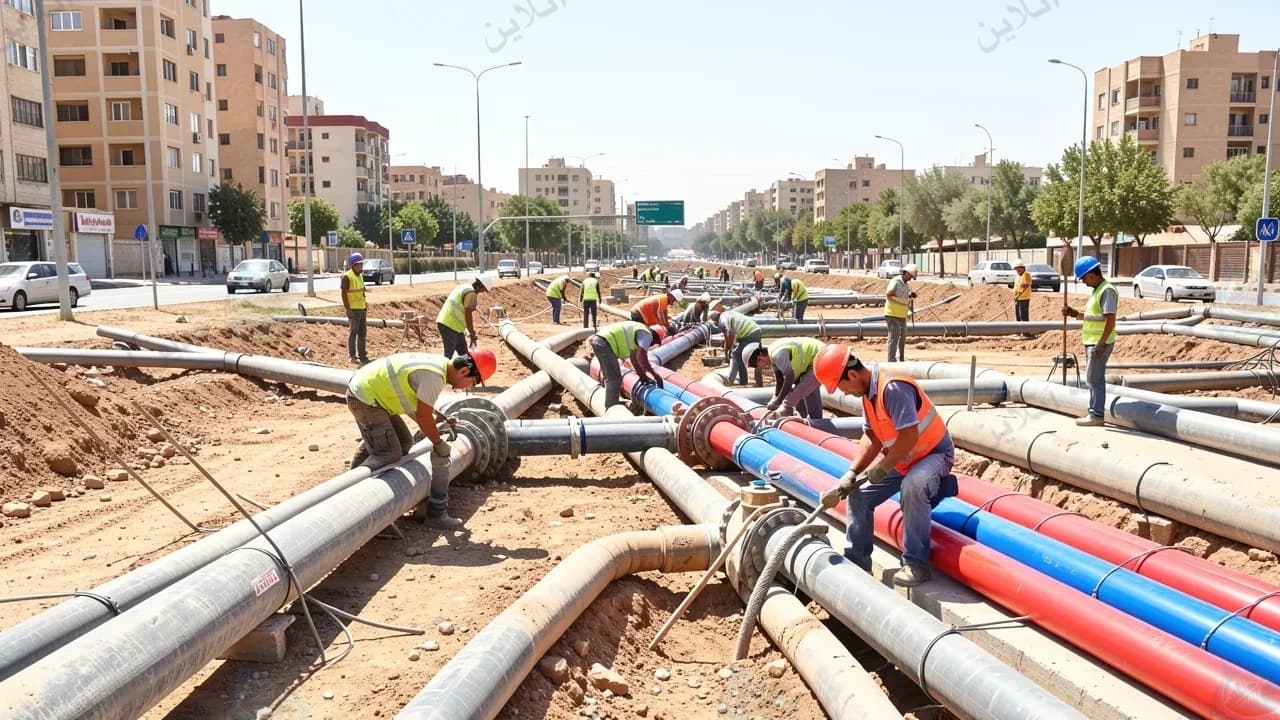
Polyethylene pipe for drinking water is one of the suitable options in water supply projects. Because of their particular properties, these pipes can preserve water quality and support water distribution systems. Choosing the right pipe has a great effect on the hygiene and taste of water, so it is important to be careful when buying it. This article examines the advantages and disadvantages of polyethylene (PE) pipe, the required standards and key points for buying and installing it.
Advantages of Polyethylene Pipe
Light Weight and Ease of Transport
Because of its light weight, polyethylene pipe is one of the popular options for water supply projects. This property makes it easier to transport and means less manpower is needed to handle it. For example, for a large project in a rural area, using heavier pipes can involve high costs. But by using polyethylene pipes, you can easily reduce these costs.
High Resistance to Rust and Corrosion
One of the biggest advantages of polyethylene pipe is that it is resistant to rust and corrosion. This property helps it last longer in different climatic conditions and against the chemicals present in water. For this reason, these pipes are suitable for installation in damp areas or sandy soils that might contaminate the water. By choosing suitable pipes, you can prevent problems such as leaks and failures.
Long Service Life and Lower Maintenance Costs
Polyethylene pipes have a longer service life than many other pipes. This longevity means lower maintenance and replacement costs. For example, if you install a water supply system with polyethylene pipes, you will probably not need to replace them for a long time. This allows you to invest your financial resources elsewhere.
However, you should note that if polyethylene pipe is installed under certain conditions, it may run into problems. For example, installation in very hot areas or in direct sunlight can have a negative effect on its life. Therefore, check the environmental conditions of the project site before buying and installing. For this, you can refer to polyethylene pipe.
Disadvantages of Polyethylene Pipe
Sensitivity to Temperature and Sunlight
Polyethylene pipes are highly sensitive to temperature. At high temperatures, these pipes may soften and lose their shape. For this reason, in hot areas or in direct sunlight, using polyethylene pipe can cause problems. If you install pipes in a high-temperature area, you must take care to avoid direct sunlight. This exposure can cause the pipes to deform over time.
Risk of Cracking under Certain Conditions
Cracking is another disadvantage of polyethylene pipes. When the temperature drops sharply or pipes are subjected to severe pressures, the likelihood of cracking increases. For example, if a pipe installed in a cold area freezes in winter, it may break. This problem can lead to small cracks that over time turn into water leaks and greater damage.
Need for Care in Installation and Maintenance
To use polyethylene pipes effectively, careful installation and maintenance are required. If the pipes are not installed correctly, joints and fittings may leak. One common mistake is that some people do not pay attention to the details because they are rushing the installation. To prevent this problem, it is recommended that you use experienced technicians for installation and review all the steps before starting work. Remember that regular maintenance of the pipes can also help extend their life.
Comparison with Other Pipes
Comparison with Metal Pipes
Metal pipes were used in the past as a common option for water supply systems. But with advances in technology and the introduction of polyethylene pipes, this trend has changed. One of the main advantages of polyethylene pipe over metal pipes is its resistance to rust and corrosion. Metal pipes may rust over time. This problem can affect water quality. In contrast, because of their particular material, polyethylene pipes do not have this problem and can convey drinking water at a higher quality.
In addition, polyethylene pipes weigh much less than metal pipes. This makes them easier to install and handle. You also do not need extra costs for transport and installation. For example, in a water supply project in a rural area, using polyethylene pipe significantly reduced the project's time and costs because of its lightness and ease of installation.
Comparison with PVC Pipes
PVC pipes are also used in drinking water systems, but compared with polyethylene pipes, a few points are worth noting. One of the main advantages of polyethylene pipe is lower cost. Because of their particular production and processing, PVC pipes usually have a higher price. Also, polyethylene pipes perform better in different climatic conditions. They are less likely to crack at low temperatures.
In terms of quality and performance, polyethylene pipe is considered a more suitable option for drinking water projects because of its flexibility and resistance to pressure. In some cases, PVC pipes may crack under high pressures. This problem occurs less often in polyethylene pipes.
However, when choosing pipe for water supply projects, remember to take into account the specific needs of the project and the environmental conditions. If your project is in very cold or hot conditions, you may need to consult a specialist. This helps you choose the best option. For example, in a project located in an area with very low temperatures, using polyethylene pipe can be the better choice. This prevents the risk of cracking.
Standards for Drinking Water Pipes
Standards for Drinking Water Pipes
National and international standards for drinking water pipes are very important. These standards include the technical and hygiene requirements to which pipes must be produced. For example, the Iranian National Standard, standard 4427 for polyethylene pipes for drinking water, sets out criteria that pipes must follow. Also, the Iranian National Standard, standard 14427, has been designed for the same purpose. These standards help guarantee the quality and safety of drinking water.
Compliance with standards is very important when choosing polyethylene pipe for drinking water. If you choose a pipe that does not comply with these standards, you may face problems such as leaks, changes in the taste and smell of the water and even water contamination. For this reason, always look for pipes that have valid certificates.
The role of standards in guaranteeing water quality is also undeniable. For example, pipes produced under national and international standards usually pass various tests to ensure their safety and quality. These tests include checking resistance to pressure, temperature and chemicals. In fact, compliance with these standards can assure you that your drinking water will not harm your health.
An important practical tip is to pay attention to the brand and manufacturer when buying pipe. Some manufacturers may seek only to cut costs rather than comply with standards. This can harm the quality of drinking water. Therefore, always buy from reputable stores and make sure of the pipes' technical specifications.
As an example, suppose you plan to install drinking water piping for a building project. If you use a pipe that does not meet the required standards, you may face water leaks and hygiene problems after a while. These problems can bring high repair and maintenance costs. So choose carefully and pay special attention to standards.
Tips for Buying Polyethylene Pipe
Guide to Choosing Pipe Size
To choose the right size of polyethylene pipe, you must first review your project's needs. For example, if you are installing piping for a multi-storey building, you must pay special attention to the volume of water consumed and the water pressure. Pipe sizes are usually specified by their inner diameter. For large projects, pipes with larger diameters (such as 25 mm or more) are usually more suitable. These pipes can meet greater water supply needs. Whereas for household use or small projects, pipes with a diameter of 16 to 20 mm are sufficient. A common mistake at this stage is to choose the pipe size based only on price. This can lead to a drop in water pressure and other problems.
Cost-Benefit Analysis
When buying polyethylene pipe, comparing the price and quality of different brands is very important. Prices can vary greatly, and this difference usually relates to the quality of raw materials and production standards. For example, a reputable brand may have a higher price but will probably also have a longer service life. It is best to pay attention to customers' opinions and experiences of different brands before buying. This can help you make a better decision. Also, some brands may offer better after-sales service or warranties. In the long run, these services can reduce your costs. Finally, consulting experienced specialists and contractors can help you make a better choice and avoid potential problems.
Polyethylene Pipe Installation Methods
Key Points in Installing Polyethylene Pipe
Installing polyethylene pipe requires care and knowledge of technical points. The first point is to inspect the site thoroughly before starting installation. The ground must be level and free of stones and sharp objects. Also, the distance of the pipes from heat sources such as boilers or burners must be observed. Otherwise, the pipes may be damaged. For example, if you are installing pipes in a project in a house's yard, you must bury the pipes at a suitable depth. This protects them from extreme cold and heat.
Tools and Equipment Required for Installation
You need several tools to install polyethylene pipes. One of the most important tools is a polyethylene pipe welding (fusion) machine. This machine helps you join two pipe ends together. Tools such as special pipe cutters, a measuring tape and guide stakes are also essential. However, in some small projects, using mechanical fittings may also be more cost-effective. In this case, you must use fittings suitable for drinking water to protect water quality.
The Importance of Complying with Standards in Installation
Complying with standards when installing polyethylene pipe is very important. Standards ensure that pipes are installed correctly and to an appropriate quality. For example, you must use pipes with a national or international standard that are approved for drinking water. Also, during installation, make sure the fitting angles are correct. This helps minimize the risk of leaks. Do not forget to check the pipes for leaks and verify water quality after installation. This can help prevent extra costs in the future.
Conclusion
Polyethylene pipe for drinking water is a suitable option with significant advantages, but it must be chosen carefully. Paying attention to environmental conditions and consulting specialists in this field can help you make the best decision. Also, using free consultation services when choosing pipe can help reduce potential risks.
Ghadir Louleh Online currently supplies double-wall corrugated pipe, spiral pipe and corrugated pipe fittings for sewer and stormwater networks. By offering specialist consultation and a range of pipes online, this store can help you in the purchasing process.