 Rubika

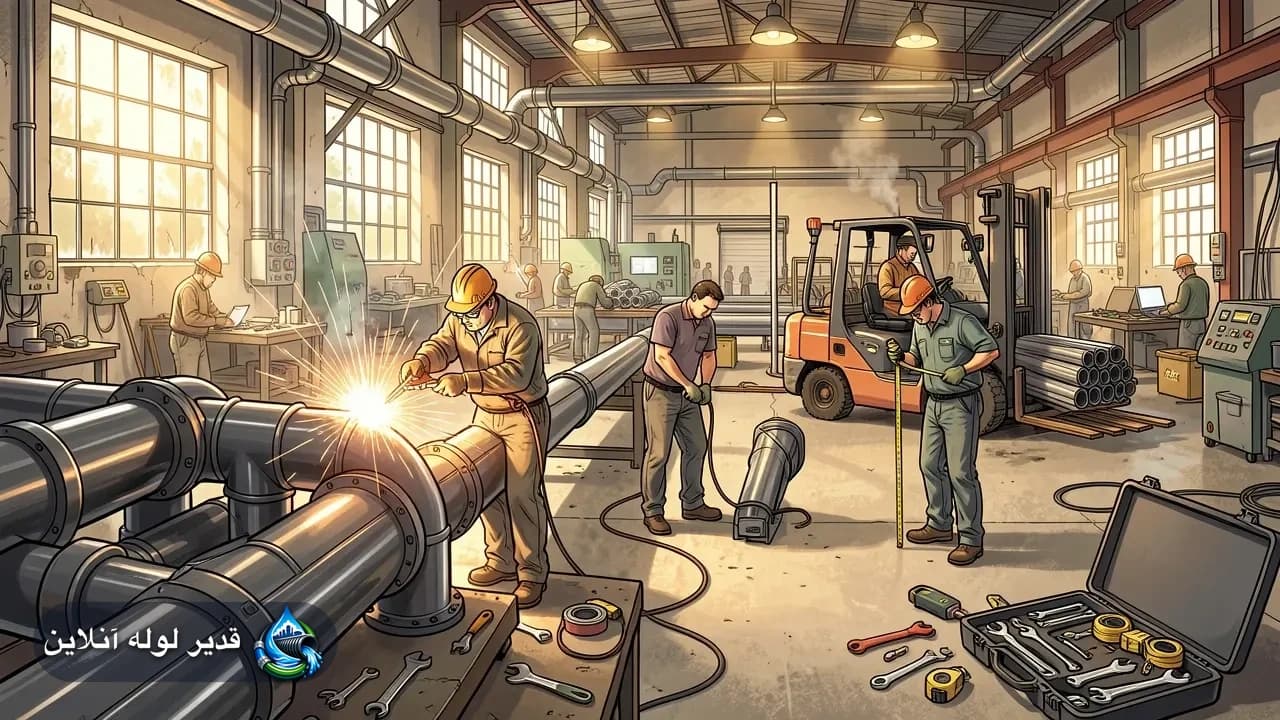
Industrial PVC (Polika) pipe is a key component in projects large and small and, thanks to its particular properties, is used across many industries. Because of their high strength and flexibility, these pipes are widely used to convey liquids and gases. The importance of PVC (Polika) pipe in industrial projects lies in its ability to improve efficiency and reduce costs. In this article we look at the applications, advantages and key points to consider when buying industrial PVC (Polika) pipe.
Applications of Industrial PVC (Polika) Pipe
Use in Water Supply and Sewer Systems
Industrial PVC (Polika) pipe is widely used in water supply and sewage collection systems. Because they resist corrosion and temperature changes, these pipes are a suitable option for conveying water and wastewater. For example, in a large building project you can use PVC (Polika) pipes to supply water to the building's various floors. These pipes are easy to install and need less maintenance.
Use in the Chemical and Petrochemical Industries
In the chemical and petrochemical industries, PVC (Polika) pipe is one of the main components of systems that convey chemicals and gases. Because these pipes resist chemicals and high temperatures, they increase system safety and efficiency. For example, in a petrochemical plant, PVC (Polika) pipe is used to convey natural gas. These pipes can withstand high pressure and variable temperatures.
Role in Building and Civil Engineering
In building and civil engineering, PVC (Polika) pipes are used to build and service various infrastructure. They are used especially in water and sewer installations and in cooling and heating systems. They are also used in civil projects such as road and bridge construction. As a practical tip, when choosing PVC (Polika) pipe for civil projects, be sure to check the required standards and the pipe's resistance to pressure and temperature. Otherwise, you may face serious problems in the future.
With its particular properties, industrial PVC (Polika) pipe is an excellent option for a variety of projects. By taking the specific applications and project requirements into account, you can make the best use of these pipes.
Advantages of Using PVC (Polika) Pipe
Advantages of Using PVC (Polika) Pipe
Thanks to its particular properties, industrial PVC (Polika) pipe offers many advantages for industrial projects. Light weight and portability is one of them. These pipes are easy to move, and installing them is faster than other pipes. For example, suppose you need piping for water services on a building project. Using PVC (Polika) pipe can significantly reduce installation time. This lets you move on to the next stages of the project quickly.
Another advantage of PVC (Polika) pipe is corrosion resistance. In many industries, pipes are exposed to corrosive liquids and gases. Owing to its particular structure, PVC (Polika) pipe resists these agents. So you do not need to worry about rust or damage. This property is especially important in the chemical and oil and gas industries.
In addition, long service life and low maintenance costs are other key advantages of PVC (Polika) pipe. These pipes are usually designed to require less repair and maintenance. Choosing PVC (Polika) pipe is therefore not only cost-effective in the short term but can also help reduce costs in the long term. For example, if you select a piping system to convey water in a factory, using PVC (Polika) pipe can help you avoid the extra costs of repairing and replacing pipes.
Note, however, that in some projects the mechanical strength of PVC (Polika) pipe may be lower than that of other pipes. For this reason, before choosing a pipe, check its suitability for the type of project and the loads the pipes will carry. If heavy loads or high pressures are involved, you may need to use other pipes with higher strength.
Key Points When Buying PVC (Polika) Pipe
Check the Product Standards
When buying industrial PVC (Polika) pipe, the first thing to check is the product standards. These standards cover technical specifications, resistance to pressure and temperature, and the required approvals from the relevant authorities. For example, pipes that comply with national standards are usually of higher quality and can be used in more demanding conditions. Making sure that the product you choose complies with these standards can prevent serious problems in the future.
Pay Attention to Dimensions and Sizes
The second important point is the pipe's dimensions and sizes. Incorrect dimensions can lead to leaks, blockages or even system failure. For this reason, be sure to measure your project's exact dimensions before buying. For example, if you are installing pipe for a water supply system, you must calculate the pipe diameter and length carefully. Also, always buy some extra pipe so that a measurement error does not cause problems.
Evaluate the Quality of Brands and Manufacturers
The third point is evaluating the quality of brands and manufacturers. Some brands are more reputable because they use high-quality raw materials and advanced production processes. By contrast, lesser-known brands may use cheaper materials that cost you more in the long run. To choose the right brand, you can use other customers' reviews or consult experienced contractors. To do this, you can view PVC (Polika) pipe products and compare reputable brands.
Finally, paying attention to these points can help you buy high-quality, suitable industrial PVC (Polika) pipe. This attention to detail can prevent future problems.
Comparing PVC (Polika) Pipe with Other Pipes
Comparison with Metal Pipes
Metal pipes, especially in the past, were the main choice for many industrial projects. These pipes usually have high pressure resistance and can withstand high temperatures. However, heavy weight and rusting are their main drawbacks. By contrast, industrial PVC (Polika) pipe is lighter and more resistant to rust. For example, in a water supply installation project, choosing PVC (Polika) pipe can significantly reduce transport and installation costs.
Comparison with PVC and Polyethylene Pipes
Because of their resistance to ultraviolet radiation and varying temperatures, industrial PVC (Polika) pipes are considered a better option for outdoor projects. In an agricultural project, PVC (Polika) pipe would be a better choice because of its resistance to sunlight and water pressure. PVC (Polika) pipe offers better properties than standard PVC pipes.
Cost-Benefit Analysis of Each Pipe Type
In terms of cost, industrial PVC (Polika) pipe is usually more competitively priced than metal pipes. However, in some cases the installation cost of metal pipes can be lower than that of PVC (Polika) pipe, especially if no special installation equipment is required. For this reason, to choose the best option you should also consider long-term costs and maintenance. Suppose you are designing a piping system for an industrial workshop. Choosing PVC (Polika) pipe may mean a slightly higher initial cost, but with lower repair and maintenance costs it can ultimately be more economical.
Important note: Before choosing a pipe type, be sure to consider the environmental conditions and the specific requirements of the project. This helps you avoid common mistakes such as choosing a pipe unsuitable for the temperature or pressure.
Common Mistakes in Pipe Selection
Common Mistakes in Pipe Selection
Choosing the wrong pipe can cause serious problems in industrial projects. One common mistake is failing to consider the project's requirements. Suppose a project needs pipes that can withstand high fluid pressure. If you ignore this requirement and choose a low-capacity PVC (Polika) pipe, there is a risk of failure and leakage. This can cause considerable damage.
Another mistake is choosing the wrong material. Industrial PVC (Polika) pipes are made from various materials, each with its own properties. For example, pipes made from polyvinyl chloride are suitable for specific conditions. If your project conditions require resistance to particular chemicals, you must use a pipe that has this property. Otherwise, you may run into problems in the future.
Likewise, failing to review the technical and engineering details can lead to the wrong choice. For example, if you do not check the pipe's technical specifications properly, you may not use the right size. The wrong size can reduce fluid flow and, as a result, reduce system efficiency.
For this reason, before choosing PVC (Polika) pipe, be sure to identify the project's requirements carefully. For example, if you are working on a high-pressure project, be sure to use pipes with an adequate pressure rating. Also, try to choose the pipe material according to the type of liquids or gases to be conveyed. These points help you avoid future problems and deliver a successful project.
Real Customer Experiences with PVC (Polika) Pipe
Customer Feedback on Using PVC (Polika) Pipe
Many customers who have used industrial PVC (Polika) pipe give positive feedback on the performance and durability of these pipes. They usually mention its ease of installation and light weight. For example, a contractor on a water supply project used PVC (Polika) pipe as a suitable option for water transmission lines. He was able to install the pipes easily in a short time. This contractor noted that the speed of installation and the reduced project time were clear advantages of these pipes.
Successes and Challenges
In some projects, the use of PVC (Polika) pipe has led to successful results. For example, a manufacturing plant was able to reduce its costs significantly by using these pipes. At the same time, however, some customers have faced challenges. For example, in a project involving high temperatures, the PVC (Polika) pipes did not perform well. In that situation they had to be replaced. So in high-temperature projects, it is better to use more resistant pipes.
Key Lessons from Customer Experience
One important lesson from customer experience is to pay attention to environmental conditions. Customers recommend checking the climate conditions carefully before choosing PVC (Polika) pipe. You should also check the type of liquids to be conveyed in the pipe. A common problem is that some contractors use PVC (Polika) pipe in harsh environments without careful assessment. This causes premature damage to the pipes. Therefore, be sure to fully assess the project conditions before buying to prevent problems.
Conclusion
Thanks to its many advantages, industrial PVC (Polika) pipe is a smart choice for industrial projects. These pipes are not only resistant to pressure and temperature but are also easy to install and have a long service life. However, choosing the right pipe for your project is very important. A wrong choice can lead to serious problems in the future.
If you are looking for advice on and purchase of industrial PVC (Polika) pipe, you can visit the Ghadir Louleh Online website. This specialist store supplies a range of pipes online, directly from the factory. PVC (Polika) pipe is one of these types, and the store serves customers nationwide. With a simple consultation, you can make a better choice.