 Rubika

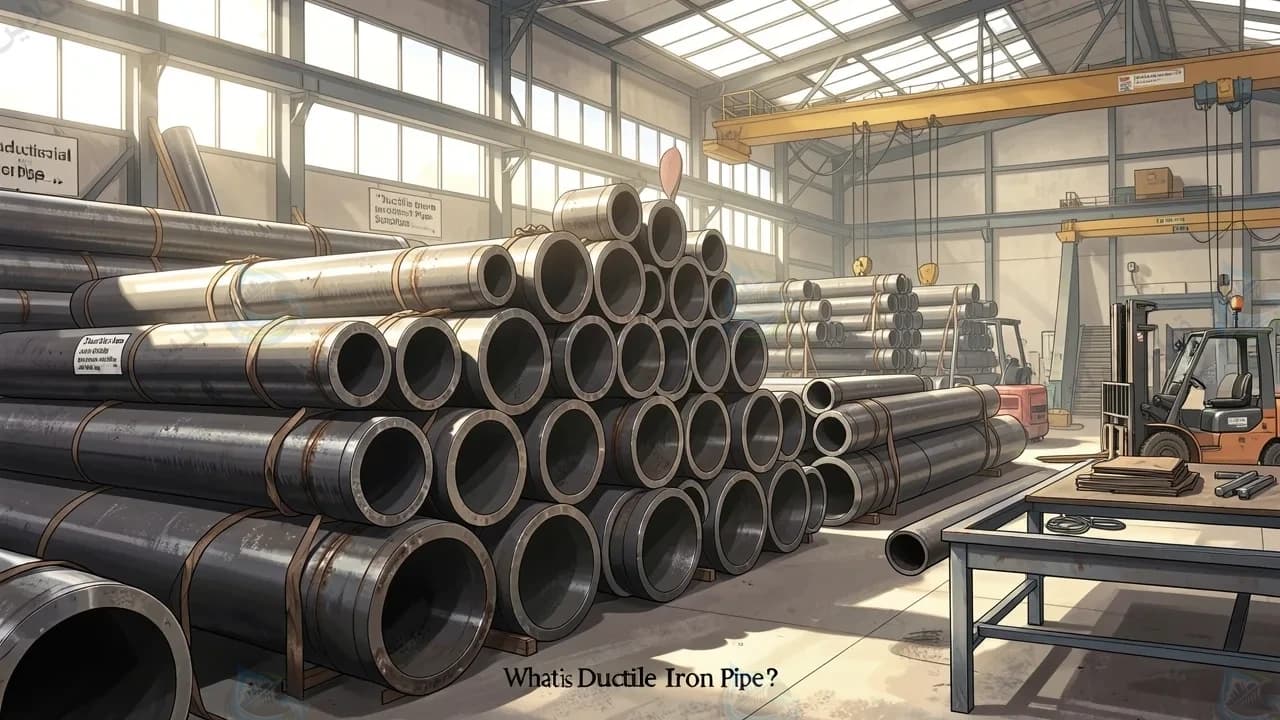
Ductile iron pipe is a type of industrial pipe known for its strength and its resistance to pressure and corrosion. Understanding the properties and applications of this pipe can help you make the right, cost-effective choice for different projects. These pipes usually offer significant advantages, including high durability and easy installation. However, they also have drawbacks, among them heavy weight and a higher cost compared with some other pipe types. Here you will learn more about the properties and applications of ductile iron pipe.
Properties of Ductile Iron Pipe
Physical and Chemical Characteristics
Ductile iron pipe is made from a cast iron alloy whose mechanical properties have been improved by adding a certain amount of carbon and silicon to ordinary cast iron. These pipes usually have thick walls and come in a variety of diameters. They are heavy, which can create challenges during installation. For example, if you use ductile iron pipe on a large project, you must provide suitable equipment and sufficient labor for handling. Installing these pipes also requires precision and planning.
Resistance to Pressure and Corrosion
Thanks to its particular structure, ductile iron pipe has high resistance to pressure. These pipes can withstand high water pressures, which is why they are widely used in water supply networks, sewer systems and industrial facilities. They are also corrosion-resistant, so they can perform well in humid environments and even in saline water. To ensure this resistance, where corrosive chemicals may be present it is advisable to use additional coatings or protective materials.
Long Service Life and High Durability
One of the standout properties of ductile iron pipe is its very long service life and durability. These pipes typically last 50 to 100 years, depending on environmental conditions and installation method. For example, if they are laid in a water supply project in an area with moist soil and chemicals, their service life may be reduced. In such conditions, you should choose the installation location carefully and seek technical advice if needed.
Because of its particular properties, ductile iron pipe is one of the best options for large, high-pressure projects. Nevertheless, attention to installation and maintenance practices can help extend the life of these pipes.
Advantages and Disadvantages of Ductile Iron Pipe
Advantages of Ductile Iron Pipe
Owing to its distinctive properties, ductile iron pipe offers numerous economic and operational advantages. One of the most important is the high durability and strength of these pipes. They can withstand high pressures and are resistant to corrosion and abrasion. For example, in water supply and sewer projects, ductile iron pipe can easily operate for several decades without needing replacement.
Another advantage of these pipes is their easy installation. Compared with other pipes, installing ductile iron pipe takes less time thanks to its suitable weight and simple design. This reduces labor costs and project time. The maintenance costs of these pipes are also lower because of their high durability. For this reason, many contractors prefer to use ductile iron pipe in their projects.
Disadvantages of Ductile Iron Pipe
Despite the advantages above, ductile iron pipe also has drawbacks and limitations that must be considered. One of the main drawbacks is the high initial cost of purchasing these pipes. Although their maintenance costs are low, the upfront investment required to buy them may not be justifiable for some projects. For this reason, on small or budget-constrained projects there may be a better choice.
In addition, the heavy weight of these pipes can cause problems for installation and transport. On some projects where working space is limited, this weight can lead to difficulties. Therefore, when choosing ductile iron pipe, the specific conditions of the project must be taken into account.
Finally, analyzing installation costs is also important. Suppose that for a large water supply project you need 1000 meters of ductile iron pipe. The cost of purchasing these pipes may account for more than 20 percent of the project budget. However, given their long service life and lower maintenance costs, choosing this pipe can be more economical in the long run. Even so, it is always best to examine every aspect carefully before making a final decision.
Common Applications of Ductile Iron Pipe
Common Applications of Ductile Iron Pipe
Because of its particular properties and high resistance, ductile iron pipe has a wide range of applications across different industries. One of the most important is its use in water and sewer systems. Thanks to their resistance to corrosion and pressure, these pipes are a suitable option for conveying water and wastewater in underground networks. For example, many cities use ductile iron pipes to build their water supply networks, which allows water to reach homes easily and without leakage.
The oil and gas industries also rely on ductile iron pipe as a dependable choice. These pipes are used to convey hydrocarbons and natural gas. Because of their rust resistance and ability to withstand high pressure, they can perform well in harsh environmental conditions. For example, in oil drilling projects, using these pipes can help prevent leaks and potential hazards.
In addition, ductile iron pipe is used in civil and construction projects. For example, in building urban infrastructure such as bridges and tunnels, these pipes are used as part of sewer and water supply systems. If a project is carried out in an earthquake-prone area, you must make sure these pipes are installed in a way that prevents damage from earthquakes.
Practical tip: When choosing ductile iron pipe for your project, be sure to consider the climatic and environmental conditions of the area. In some high-humidity areas, choosing rust-resistant pipes can extend the service life of the project. Improper installation can also lead to premature pipe failure, so it is best to consult specialists in this field.
Overall, owing to its technical properties and high reliability, ductile iron pipe is used in various applications, including water and sewer systems, the oil and gas industries and civil engineering projects. Because of their durability and performance, these pipes are a suitable choice for large and critical projects.
Installation and Maintenance Methods
Technical Tips for Correct Installation
When installing ductile iron pipe, the first point to consider is checking the conditions at the installation site. The ground must be well prepared and level so that the load from the pipes is distributed correctly. Also make sure you use suitable, high-quality tools during installation. For example, if you use unsuitable or low-quality fittings, leaks may occur in the future.
Maintenance and Care Methods
After installation, regular maintenance of the pipes is very important. To this end, periodic inspection of the pipes for leaks and corrosion is essential. Also, if the pipes are exposed to chemicals or corrosive environments, you should use protective coatings. For example, applying anti-rust paints can extend the service life of the pipes. For better maintenance, you can refer to view ductile iron pipe.
Common Mistakes in Use and Installation
One common mistake when installing ductile iron pipe is failing to provide a proper slope for water drainage. If the slope is not set correctly, water may accumulate in the pipes and create additional pressure. Some people may also use unsuitable fittings to prevent leaks, which can lead to damage to the pipes. To avoid these mistakes, prepare a detailed layout of the piping route before starting installation and check every detail carefully.
Comparing Ductile Iron Pipe with Other Pipe Types
Comparison with Polyethylene Pipes
Ductile iron and polyethylene pipes are both popular options used in a variety of projects. Polyethylene pipes are lighter and more flexible, which makes them easier to install and transport. On the other hand, ductile iron pipes offer high resistance to pressure and impact. For example, in high-pressure water supply projects, ductile iron pipe is the better choice.
One advantage of polyethylene pipes is their resistance to corrosion and rust. They perform well in wet conditions and acidic soils. By contrast, ductile iron pipes are more resistant to mechanical stresses and high temperatures.
An important point is that if your project involves conveying water at high temperatures, ductile iron pipe is the better option. However, for projects with low pressure loads, polyethylene pipe can be a suitable choice.
Comparison with PVC Pipes
PVC pipes are another popular option for piping projects. The main advantage of PVC pipes is their light weight and low price. These pipes are resistant to chemicals. However, keep in mind that PVC pipes withstand less pressure than ductile iron pipes.
Ductile iron pipe is superior in terms of strength and service life. For example, in industrial projects that require a high-capacity piping system, ductile iron pipe is the better choice.
However, if your project is limited to domestic use and does not require high pressure, PVC pipe is a more economical and suitable option. In such conditions, a wrong choice can lead to problems such as leaks or cracked pipes.
Ultimately, to choose the best option, you should carefully assess your project's requirements. If you are looking for high strength and long service life, consider ductile iron pipe. But if cost and weight are your priorities, polyethylene or PVC pipes may be better options.
Conclusion
Thanks to its unique properties, ductile iron pipe is a suitable choice for large, high-pressure projects. These pipes offer high durability and resistance and are used in various industries, especially in water and sewer systems. When selecting and installing these pipes, attention to technical considerations and consulting specialists can help extend their service life.
If you are looking for ductile iron pipe and related services, you can take advantage of the free consultation offered by Ghadir Louleh Online. This specialist store offers a range of pipes and fittings online and is ready to help you choose the best options.