 Rubika

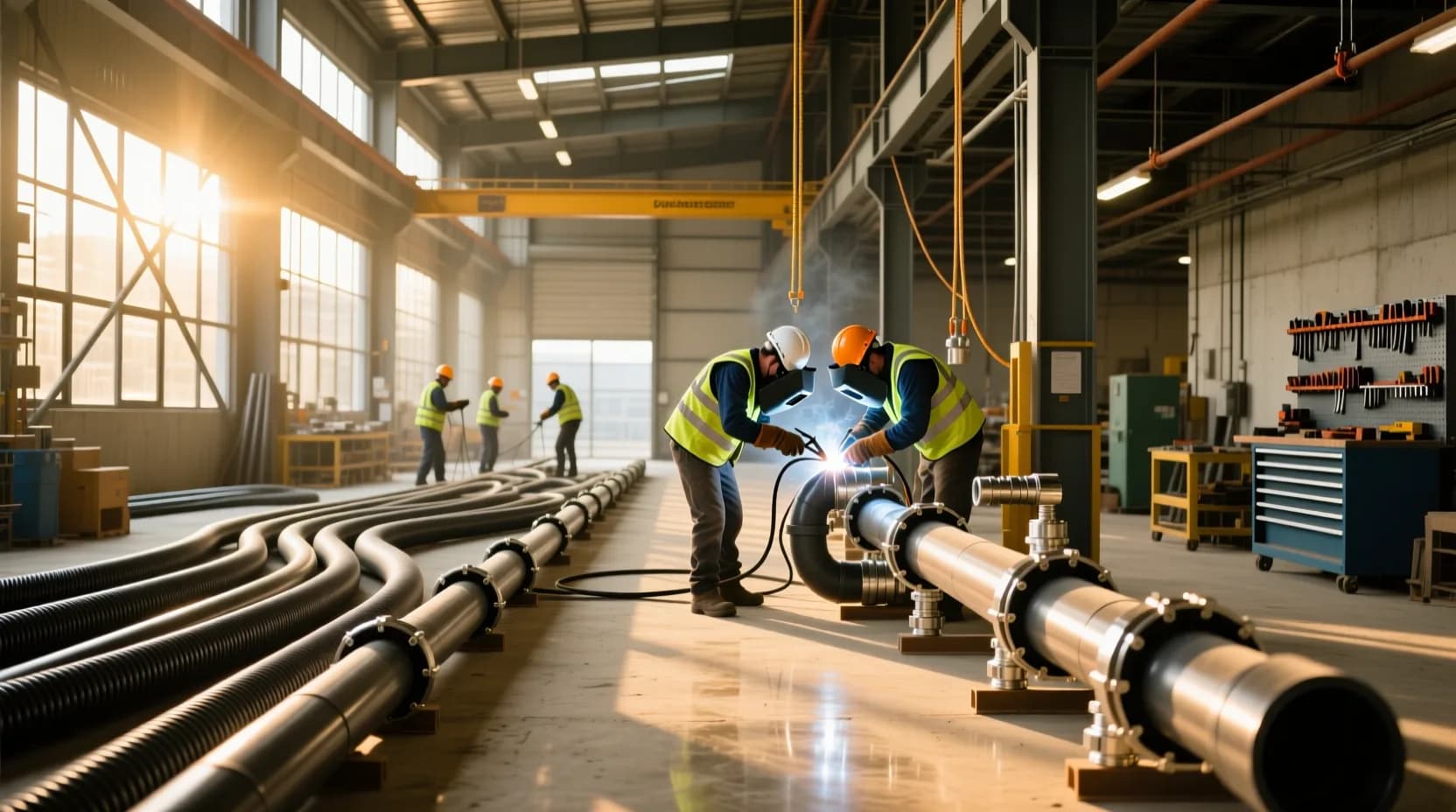
In building services projects, the choice of pipe type can have a significant impact on performance and final costs. With different types of pipe available, such as PVC, push-fit and polyethylene, contractors and engineers need to understand the features and advantages of each. In this article, we examine the differences between these three types of pipe and set out the key points for choosing the most suitable option in building services projects. This information will help you make decisions with greater confidence and complete your projects more successfully.
Definition and Features of PVC Pipe
Technical Features of PVC Pipe
PVC pipe, known in Persian as "polika" pipe, is made from vinyl chloride polymers and, because of its particular properties, is widely used in building services and construction projects. These pipes are usually supplied as rigid pipes with inflexible fittings. One of the distinctive features of PVC pipe is its resistance to pressure and impact. PVC pipe can withstand high pressures, which makes it very suitable for water supply and sewage applications.
The light weight of these pipes makes installation and handling easier. In addition, PVC pipe has limited flexibility and may not be suitable for projects that require curves and changes of direction. However, this problem can be solved by using special fittings and elbows. Also, the high resistance of PVC pipe to chemicals and corrosive substances makes it ideal for use in the chemical industry and for industrial water.
Advantages and Disadvantages of PVC Pipe
Because of its many advantages, PVC pipe has become one of the popular options in building services projects. Its advantages include low cost, easy installation and high durability. In addition, because they need no painting and little maintenance, PVC pipes reduce operating costs. These pipes are resistant to rust and can remain in service in various projects for many years without needing replacement or repair.
However, the disadvantages of these pipes should not be overlooked. Sensitivity to UV radiation is one of the weak points of PVC pipe and can shorten its service life in outdoor environments. Also, compared with push-fit and polyethylene pipes, PVC pipe may be less resistant to temperature changes and severe impacts. For this reason, this type of pipe should be chosen with the environmental conditions and specific needs of the project in mind.
Definition and Features of Push-Fit Pipe
Technical Features of Push-Fit Pipe
Push-fit is a type of plastic pipe made from polypropylene and, because of its particular design, it is generally used in sewage systems and water installations. These pipes are designed specifically for joints that require no adhesive. This means that the joints are easily connected simply by pushing them together, which makes installation very easy and fast.
The technical features of push-fit pipe include resistance to chemicals and heat. These pipes are usually able to withstand high temperatures and are also highly resistant to corrosion. In addition, the special design of push-fit joints is very effective against leaks and possible seepage, which makes them a suitable option in building services projects that require a high level of safety.
Advantages and Disadvantages of Push-Fit Pipe
Push-fit pipe has many advantages that make it an attractive option for building services contractors and engineers. One of its biggest advantages is ease of installation. Because of the special joint design, no adhesive or special tools are needed, which significantly reduces installation time. In addition, the light weight of push-fit pipe makes transporting and working with it on the project site easier.
Another advantage of push-fit pipe is its resistance to chemicals. This feature is especially important in projects that deal with sewage or chemicals. Push-fit pipe also has a longer service life than some other types of pipe.
However, push-fit pipe also has disadvantages. For example, compared with PVC pipes, the initial installation cost of push-fit may be somewhat higher. Also, when the pipes are subjected to very high pressure, their performance may not match that of other pipes.
Ultimately, choosing push-fit depends on the specific needs and conditions of the project, and a careful review of its advantages and disadvantages can help contractors make the best decision in choosing the type of pipe for their building services projects.
Definition and Features of Polyethylene
Technical Features of Polyethylene
Polyethylene is a type of thermoplastic polymer that, because of its particular properties, is used in various industries, especially in water and sewage installations. These pipes are usually produced in two types, high pressure and low pressure, and are available in various sizes and diameters. One of the most important technical features of polyethylene is its very high resistance to corrosion, so these pipes can easily withstand chemicals and harsh environmental conditions. Polyethylene also has high flexibility, which allows installation in confined and complex spaces.
Other technical features of polyethylene include its tolerance of a range of temperatures. These pipes can withstand low and high temperatures and are therefore suitable for use in water supply and sewage systems in regions with different climatic conditions. In addition, because polyethylene is lighter than other types of pipe, it is much easier to transport and install.
Advantages and Disadvantages of Polyethylene
Polyethylene has many advantages that have made it a popular option in building services projects. One of its biggest advantages is resistance to corrosion and rust. Unlike metal pipes, polyethylene does not rust in any way, which increases the service life of these pipes. In addition, because of their anti-algae properties, these pipes prevent the build-up of algae and contamination in water supply systems.
However, polyethylene also has disadvantages that must be considered. One of these is that replacing and repairing it in the event of damage may be more difficult than with other types of pipe. Also, under some conditions, these pipes may deteriorate under UV radiation; therefore, in projects where the pipes are exposed to sunlight, precautions must be taken.
Overall, whether polyethylene is a suitable option for building services projects depends on the specific characteristics and needs of the project.
Comparing the Costs and Benefits of Each Pipe Type
Comparing the Costs and Benefits of Each Pipe Type
Choosing the right pipe for building services projects depends not only on its technical features; its initial cost and the amount of maintenance it needs are also very important. In this section, we analyze the costs and economic benefits of three types of pipe: PVC, push-fit and polyethylene.
Comparing Initial and Maintenance Costs
The initial cost of buying the pipe is one of the main factors in choosing the pipe type. PVC pipes usually cost less than push-fit and polyethylene. This type of pipe is considered an economical option for small and medium projects that require a large amount of piping. For example, in a small building services project, a contractor may achieve the desired result while spending less on PVC pipes.
By contrast, push-fit pipes may initially cost more because of their special design and easy installation. However, thanks to reduced installation time and less need for repairs in the future, this initial cost can result in savings in maintenance costs. For example, in larger and more complex projects, shorter installation time means lower overall project costs.
Polyethylene pipes also cost more than the other two types. However, because of their high resistance to corrosion and pressure, these pipes need fewer repairs. In projects that require long-term, high-pressure piping, the maintenance costs of this type of pipe over time can offset the difference in initial price.
Economic Benefits of Each Pipe Type
Choosing the right pipe can have a direct impact on the total costs of a project. Because of its low price and easy availability, PVC pipe is very suitable for projects with a limited budget. In addition, the easy installation of these pipes means less time is spent on installation, which in turn can reduce labor costs.
On the other hand, push-fit pipe, with its adhesive-free joints and fast installation, allows contractors to save time and money. This advantage is especially important in large projects with a limited time for execution.
Despite its higher cost, polyethylene offers many long-term benefits. These include its resistance to corrosion and its long service life. These features mean that choosing polyethylene pipe can be regarded as a profitable investment in long-term projects.
Ultimately, the choice of the right pipe type should be based on a careful analysis of the project's needs and the available budget. For more information about the features of PVC pipe and other types of pipe, you can consult reputable sources.
Suitable Applications for Each Pipe Type
Projects Suited to PVC Pipe
Because of its technical and economic features, PVC pipe is used in various building services projects, especially water and sewage installations as well as water supply and drainage systems. These pipes are best suited to projects that require lower pressure. For example, in building services, PVC pipe works well for rainwater drainage systems and domestic sewage. In pressurized irrigation projects, these pipes are also very effective as water distribution lines. Finally, because of its reasonable price and high performance, PVC pipe is considered a good choice for small and medium projects.
Projects Suited to Push-Fit Pipe
Because of its special design and the possibility of adhesive-free joints, push-fit pipe is an excellent option for sewage projects. These pipes are particularly practical in residential and commercial buildings, where speed of installation matters. Since push-fit pipes connect easily without adhesive or complicated fittings, contractors can reduce installation time. For example, in fast-track construction projects such as apartment buildings or commercial complexes, push-fit pipe performs well. These pipes also work well in sewage systems that require less repair and maintenance.
Projects Suited to Polyethylene
Because of their flexibility and resistance to corrosion, polyethylene pipes are widely used in various building services projects, especially for conveying water and gas. These pipes are well suited to urban and rural water supply systems, agricultural systems and natural gas transmission. For example, in large water supply projects that require pipes resistant to weather and chemical conditions, polyethylene is a suitable choice. In agricultural projects that require large-diameter pipes resistant to high pressure, polyethylene pipes also perform well. Finally, because of their long service life and low maintenance costs, these pipes are considered economical and efficient options.
Important Points in Choosing Pipe for Building Services Projects
Choosing the right pipe for building services projects requires care and attention to detail. Each project may have its own specific needs, and understanding these needs can influence the correct choice of pipe. For example, if your project needs pipes with high resistance to pressure, PVC pipe will be a suitable option. On the other hand, for sewage systems, push-fit pipe, with its easy joints and no need for adhesive, may be a better choice.
Key Points in Choosing the Right Pipe
The most important point in choosing pipe is to review the needs of your project. Besides the technical features of each type of pipe, factors such as environmental conditions, the required pressure and the type of fluid that must pass through the pipe must be taken into account. For example, because of their resistance to corrosion and their flexibility, polyethylene pipes are a suitable option for underground and water supply projects. Ensuring pipe quality is also very important; low-quality pipes may become damaged and leak over time, which can bring considerable costs.
Advice on Choosing Pipe
To choose the best option, consulting experts can be of great help. Experts can help you choose the most suitable pipe for the specific conditions of your project. The ghadirlouleonline.ir website, as a reputable source of quality pipes, also provides advisory services. This advice helps you choose, with full knowledge, an option that not only meets the needs of your project but is also cost-effective.
Pipe quality has a direct effect on the success of your building services project. By using the advisory services and quality products supplied by ghadirlouleonline.ir, you can be sure that your project is on the right track. For more information and advice, visit our website.
Conclusion
Choosing the right pipe for building services projects has a significant impact on performance and final costs. In this article, we examined the differences between PVC, push-fit and polyethylene pipes and set out the technical features, advantages and disadvantages of each. PVC pipe is suitable for lower-pressure projects, while push-fit pipe, because of its easy joints, is considered an ideal choice for sewage systems. Polyethylene, with its high resistance to corrosion and pressure, is also a suitable option for water and sewage installations.
The correct choice of pipe can help improve performance and reduce costs in building services projects. It is recommended that you use reputable sources to supply pipes and to get advice on choosing suitable products.